
How to Brew Uji Matcha Perfectly: A Step-by-Step Guide to Ceremonial-Grade Tea
Premium Uji matcha from Ippodo or Marukyu Koyamaen deserves to be brewed properly. Water temperature, whisking technique, and sifting make the difference between a transcendent bowl and a bitter disappointment. Here is how to do it right.
Why Brewing Method Matters for Uji Matcha
A 30g tin of ceremonial-grade Uji matcha can cost £30–£80. Each serving uses approximately 2g. Poor preparation — boiling water, no sifting, wrong whisking motion — can make even Marukyu Koyamaen's finest grade taste bitter and flat. The correct technique preserves the L-theanine, chlorophyll, and delicate amino acids that make Uji matcha worth the price and the wait.
The traditional Japanese preparation method developed over 500 years of refinement in Uji tea houses and tea ceremony schools. It is not complicated — but it is precise. Once you learn it, you will never want to make matcha any other way.
The Essential Tools
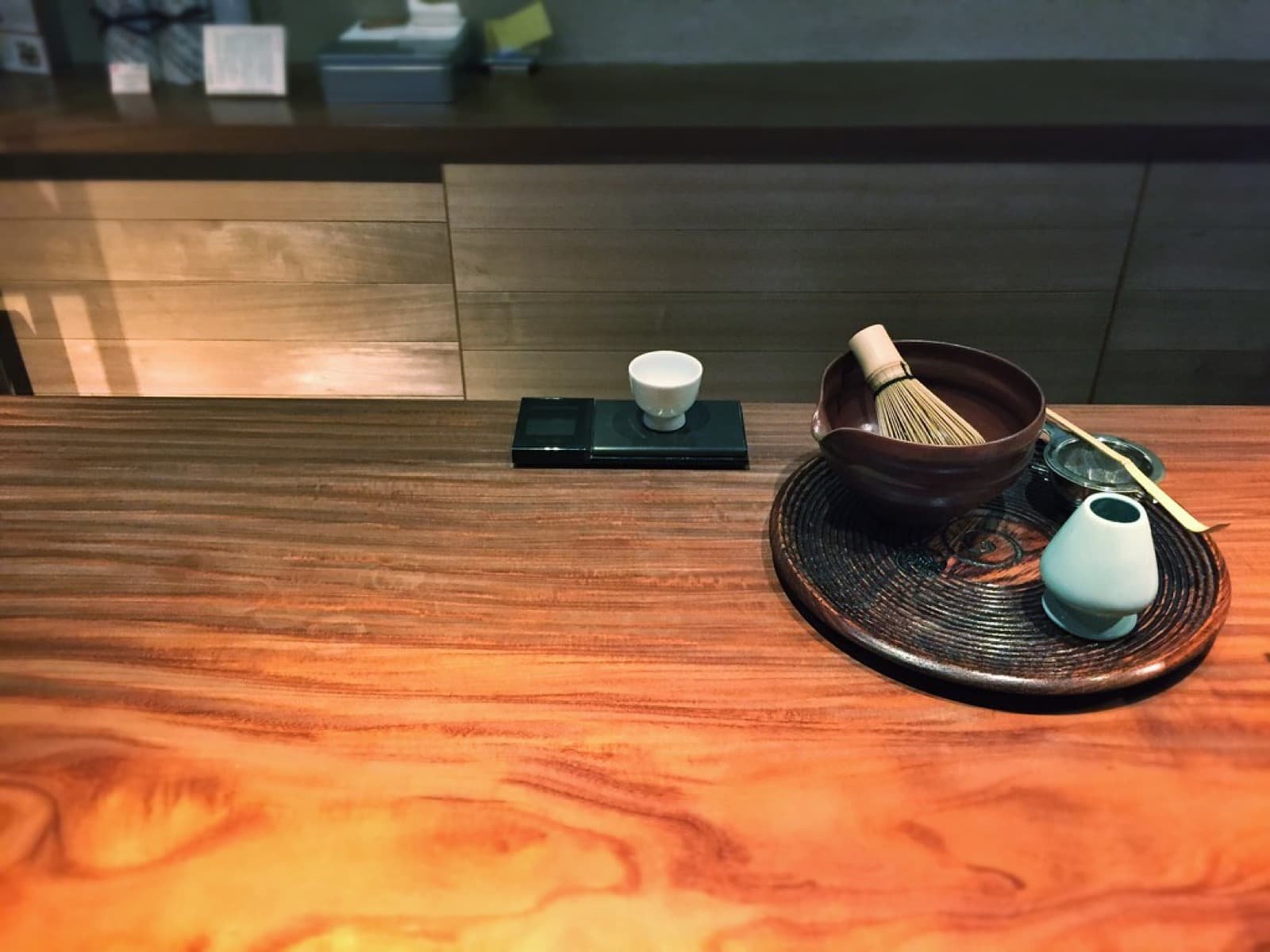
You do not need an expensive full tea ceremony set to brew excellent Uji matcha. But a few key tools make a significant difference:
| Tool | Japanese Name | Why It Matters |
|---|---|---|
| Tea bowl | Chawan (茶碗) | Wide base gives room to whisk; holds heat evenly |
| Bamboo whisk | Chasen (茶筅) | Creates micro-foam; a spoon or electric frother cannot replicate it |
| Fine-mesh sifter | Furui (振い) | Eliminates static clumps before water is added |
| Tea scoop | Chashaku (茶杓) | Measures consistent 2g portions; a teaspoon works as substitute |
| Thermometer | — | Optional but strongly recommended for consistent results |
⚡ On Chasen Quality
A 80-tine (80 hon) chasen is the minimum for ceremonial matcha; 100-tine chasens produce finer foam. Traditional chasens from Takayama in Nara Prefecture (which supplies over 90% of Japan's bamboo whisks) are made by craftspeople who train for years. A good chasen costs £12–£30 and will last 2–6 months with proper care.
Usucha: Traditional Thin Matcha (The Standard Preparation)
Usucha (薄茶, "thin tea") is the everyday preparation of ceremonial matcha — a jade-green liquid covered in fine micro-foam. This is the standard way to enjoy Uji matcha and what most people picture when they think of a bowl of matcha.
Step 1: Warm the Bowl
Pour hot water into your chawan, swish it around to warm the ceramic, then discard the water and dry the bowl completely with a cloth. A warm bowl keeps your matcha at the right temperature longer and prevents thermal shock from affecting the powder's dissolution. This step is not optional — it is the foundation of consistent preparation.
Step 2: Soak the Chasen
While the bowl warms, place your chasen in warm water for 60 seconds. This softens the bamboo tines, making them more pliable and preventing them from snapping during vigorous whisking. Always soak before use — especially with a new, dry chasen.
Step 3: Sift the Matcha
Measure 1.5–2g of matcha (approximately 2 level chashaku scoops, or just under half a teaspoon) and sift it through a fine-mesh strainer into your dried, warmed bowl. Use the back of a small spoon to press the powder gently through the mesh.
Sifting is the single most impactful step most beginners skip. Matcha powder develops static clumps during storage — even in a freshly opened tin. Unsifted matcha produces lumps that survive whisking and create an unpleasant texture. Sifting takes 20 seconds and transforms the result.
Step 4: The Critical Step — Get the Water Temperature Right
This is where most beginners ruin premium Uji matcha: the correct water temperature for usucha is 70–80°C (160–175°F). Never use boiling water (100°C/212°F).
Boiling water destroys L-theanine and the delicate amino acids responsible for Uji matcha's characteristic sweetness and umami. The result is harsh bitterness — exactly what you paid premium prices to avoid. If you do not have a temperature-controlled kettle, boil water and let it cool for 5 minutes before using it.
Add 60–70ml of water at 70–80°C to the sifted matcha. Do not pour it directly onto the powder with force — pour it gently at the side of the bowl.
🌡️ Temperature Quick Reference
- Usucha (thin tea): 70–80°C (160–175°F)
- Koicha (thick tea): 60–70°C (140–160°F)
- No thermometer? Boil water, let stand 5 min for ~80°C; 8–10 min for ~70°C
Step 5: Whisk — the M/W Motion
Remove your chasen from the soaking water, shake off the excess, and hold it vertically over the bowl. Keep the whisk near the bottom of the bowl and do not lift it above the surface of the liquid during whisking — this is a common mistake that reduces foam quality.
Whisk using rapid M or W motions — moving the whisk back and forth across the bowl, not in circles. The motion comes from your wrist, not your arm. Imagine drawing the letter M repeatedly across the surface of the tea. Whisk vigorously for 15–20 seconds until a fine, creamy micro-foam covers the entire surface.
Finish with a slow, gentle circular motion at the surface to smooth the foam and bring any large bubbles to the centre, where they will pop. The finished surface should look like dense, uniform green velvet.
Step 6: Drink Immediately
Uji matcha is at its best within 30–60 seconds of whisking. The foam begins to settle and the powder can start settling to the bottom. Drink the whole bowl in 2–3 sips. Hold the bowl with both hands — in the traditional manner, the right hand holds the bowl while the left supports it beneath. Take a moment to appreciate the colour, aroma, and texture before the first sip.
Koicha: Thick Matcha for Special Occasions
Koicha (濃茶, "thick tea") is the higher form of matcha preparation used in formal tea ceremonies. It requires a top-tier ceremonial matcha — specifically one graded for koicha, such as Ippodo's Ummon no Mukashi or Marukyu Koyamaen's premium ceremonial grades. Standard culinary or lower ceremonial grades become unpleasantly astringent when prepared as koicha.
Koicha uses 3–4g of matcha with just 30–40ml of water, creating a syrupy, intensely umami preparation. The whisking technique is different: instead of vigorous M/W strokes, you use slow, kneading movements that fold the thick paste rather than foam it. The goal is a smooth, glossy surface with no foam at all — quite the opposite of usucha.
Water temperature for koicha is lower — 60–70°C — as higher heat makes the concentrated preparation bitter. The result is an intensely rich, almost savoury experience that reveals flavour dimensions invisible in thin tea.
Common Mistakes and How to Fix Them
| Problem | Most Likely Cause | Fix |
|---|---|---|
| Bitter taste | Water too hot (above 80°C) | Let boiled water cool 5–8 min; use a thermometer |
| Lumps in the bowl | Matcha not sifted | Always sift through a fine-mesh strainer before adding water |
| Poor or no foam | Circular whisking; lifting chasen out of liquid; water too cool | Use M/W motion; keep whisk submerged; raise water to 75–80°C |
| Chasen tines breaking | Dry chasen used without soaking; pressing too hard | Always soak chasen in warm water 60 sec before use; use wrist, not arm |
| Flat, dull flavour | Stale matcha; improper storage | Store opened tin in refrigerator; use within 4–6 weeks of opening |
| Powder sinks to bottom | Drinking too slowly; not whisked long enough | Drink within 60 seconds of whisking; whisk vigorously for full 20 sec |
Storing Your Uji Matcha Properly
Premium Uji matcha is sensitive to heat, light, and oxidation. Improper storage will degrade the very compounds you paid for. Follow these guidelines:
- Unopened tins: Keep in the refrigerator or freezer. Bring to room temperature before opening to prevent condensation on the powder.
- Opened tins: Store in an airtight tin in the refrigerator. Use within 4–6 weeks for best flavour. A partially used tin left at room temperature will lose brightness and develop bitterness within days.
- Avoid light: Never store matcha in a clear container. The sealed metal tins from Ippodo and Marukyu Koyamaen are excellent for storage.
- Away from odours: Matcha absorbs odours readily. Keep it away from strongly scented foods in the fridge.
- Do not freeze opened tins: Freezing and thawing creates moisture that damages the powder. Freeze only factory-sealed, unopened tins.
Caring for Your Chasen
A bamboo chasen is the most delicate and most important tool in your matcha kit. Proper care extends its life significantly:
- After each use: Rinse with warm water immediately. Never use soap — it penetrates the bamboo and taints future bowls.
- Dry correctly: Place on a chasen stand (kusenaoshi) to maintain the curved shape of the tines as they dry. Drying flat causes permanent deformation.
- Never put in a dishwasher: High heat and detergent will destroy bamboo whisks entirely.
- Signs it needs replacing: Multiple broken tines, persistent odd smell, tines that no longer spring back after use.
- Expected lifespan: 3–6 months with daily use and proper care; up to a year with occasional use.
The Complete Usucha Recipe at a Glance
Usucha (Thin Matcha) — Per Serving
Ingredients
- 1.5–2g ceremonial-grade Uji matcha (≈ 2 chashaku scoops)
- 60–70ml water at 70–80°C
Steps
- Warm chawan with hot water; dry
- Soak chasen 60 sec in warm water
- Sift matcha into dry warmed bowl
- Add 60–70ml water at 70–80°C
- Whisk vigorous M/W motion, 15–20 sec
- Smooth surface; drink immediately
Which Uji Matcha Grades to Use
Not all matcha is suitable for traditional brewing. For usucha, you want first-harvest, stone-ground ceremonial-grade Uji matcha. Here are the grades that perform best:
- Ippodo Ikuyo: Excellent everyday ceremonial grade; deep umami, virtually no bitterness at correct temperature. Best starting point for Ippodo.
- Ippodo Ummon no Mukashi: Ippodo's flagship. Exceptional for both usucha and koicha. Full-bodied, lingering sweetness.
- Marukyu Koyamaen Wako: Premium ceremonial grade; balanced, refined, and consistent. A favourite among daily drinkers.
- Marukyu Koyamaen Aoarashi: Top-of-range ceremonial; oceanic umami depth and vibrant colour. For koicha or special occasion usucha.
- Horii Shichimeien Narino: Exceptional L-theanine content; creamy, full-bodied, minimal astringency. Worth seeking out when available.
All of these grades are frequently out of stock due to the current Uji matcha shortage. The most reliable strategy is to set up stock alerts across all grades you want to try, then purchase immediately when a restock notification arrives.
Never Miss Uji Matcha When It Restocks
Now that you know how to brew it perfectly, make sure you can actually get it. Track ceremonial-grade Uji matcha from Ippodo, Marukyu Koyamaen, Horii Shichimeien, and 15+ top Japanese tea houses. Get instant alerts the moment your grade comes back in stock.
Get Matcha AlertsFree to browse · Restock alerts in the Discord community · See pricing
Related Articles
The Complete History of Uji Matcha: 800 Years of Japan's Most Prestigious Tea
From Eisai's arrival in 1191 to today's global shortage — the full story of Uji's extraordinary tea culture.
Ippodo vs Marukyu Koyamaen: Which Premium Matcha is Right for You?
In-depth comparison of two legendary Uji tea houses to help you choose the right grade for your brew.