
Complete Guide to Ippodo Tea Matcha (2026)
Ippodo has been Kyoto's most recognised tea merchant since 1717. Their matcha lineup is intelligently graded from beginner-friendly to ceremony-level — but picking the right blend matters enormously. This is the guide that makes choosing simple.
Why Ippodo?
Ask any serious matcha drinker where they started, and Ippodo comes up more than any other name. Founded in 1717 in Kyoto — during the Edo period, when the Tokugawa shogunate's annual tea processions were still running — Ippodo has operated continuously for over 300 years. They are not a brand that discovered Japanese tea; they helped define what premium Japanese tea means.
What sets Ippodo apart from other high-end Uji producers is accessibility without compromise. Their entry-level ceremonial grade (Ikuyo) is genuinely good — not a commercial product dressed up in premium packaging. Their flagship (Ummon no Mukashi) is among the finest matcha available internationally. The entire lineup is designed so you can grow with the brand as your palate develops.
All Ippodo ceremonial matcha is first-harvest, stone-ground Uji matcha. Their cultivars — Okumidori, Yabukita, Samidori, and Gokou — are selected to express specific characteristics at each grade level. The house style leans toward sweetness and refinement rather than the more austere, complex character of Marukyu Koyamaen, which makes it ideal for people building their matcha knowledge.
⚡ Why Ippodo Sells Out
Ippodo's core grades — particularly Ummon no Mukashi and Kan no Shiro — have been sold out for extended periods during 2025–2026. Their global distribution network means stock is competing across Japan, the US, and international markets simultaneously. Stock alert notifications are the most reliable way to secure specific grades.
About Ippodo Tea Co. (一保堂茶舗)
- Founded: 1717, Kyoto (Genroku-Kyoho era, Edo period)
- Region: Uji, Kyoto Prefecture — all ceremonial matcha is Uji origin
- Retail stores: Kyoto (flagship), Tokyo, New York
- International shipping: Official website ships globally; US store separate
- Cultivars: Okumidori, Yabukita, Samidori, Gokou — selected per blend
- Naming convention: Most blends end in "-no-mukashi" (〜の昔, meaning "long ago") — a poetic evocation of traditional tea culture
- Production: Stone-ground in Uji; first-harvest only for ceremonial grades
Ippodo is sometimes described as the "public face" of Uji tea culture because of their New York store and well-designed English-language website. This accessibility does not diminish their quality — it reflects a deliberate philosophy of sharing traditional Kyoto tea culture with the world without compromising its integrity.
Why Matcha Lovers Choose Ippodo
- Consistent quality: Ippodo blends to a house standard each season, ensuring the Ikuyo you buy in October matches the Ikuyo you loved in March. Marukyu Koyamaen expresses more terroir variation; Ippodo prioritises consistency.
- Clear grade structure: The body categories (Light / Medium / Rich) make it easy to navigate the lineup without needing expert knowledge.
- Approachable house style: The characteristic sweetness and smoothness of Ippodo matcha makes it forgiving for beginners while still sophisticated enough for experienced drinkers.
- International availability: Ippodo ships globally and maintains stock in Japan, the US, and through authorised international retailers. More accessible than most premium Uji producers.
- Heritage depth: A 300-year heritage means the blending knowledge accumulated across generations is embedded in every product.
Complete Product Guide: Every Ippodo Blend
Ippodo organises its matcha into three body categories: Light (crisp, fresh, some bitterness), Medium (balanced, versatile), and Rich (deep umami, minimal bitterness, suitable for koicha). Within these categories, products are ranked from lower to higher quality.
| Blend | Category | Best For | Price (approx.) | Koicha? |
|---|---|---|---|---|
| Wakaki | Light | Light daily drinking, budget entry | ~$11 / 20g | No |
| Sayaka ★ | Light–Medium | Beginners, lattes, refreshing daily usucha | ~$17 / 20g | No |
| Ikuyo ★ | Medium | Daily drinking, lattes, step-up from Sayaka | ~$17–25 / 20–40g | No |
| Seiun | Medium–Rich | Refined usucha, step toward premium | ~$67 / 40g | Yes |
| Ummon no Mukashi ★ | Rich | Flagship; daily ceremonial, koicha, gifting | ~$45 / 20g | Yes |
| Kan no Shiro | Rich | Premium ceremonial, koicha | ~$22 / 20g | Yes |
| Kuon | Rich | Special occasions, tea ceremony | ~$64 / 20g | Yes |
| Kanza | Rich (Top) | The absolute pinnacle; collectors, ceremony masters | ~$104 / 20g | Yes |
★ = Most frequently recommended; prices approximate and vary by region/retailer
Blend Deep Dives
Sayaka-no-Mukashi (清かの昔) — "Pure Long Ago"
Sayaka is regularly named the crowd favourite and the best entry point into Ippodo's lineup. It is smooth and rich with a gentle edge — clean astringency that disappears quickly, leaving a refreshing finish. The aroma is described as dried straw or sun-warmed grass — characteristic of Ippodo's medium-body style.
- Umami: Medium | Sweetness: Medium | Bitterness: Light
- Aroma: Sun-dried straw, gentle green
- Colour: Medium green
- Best for: Beginners who want real ceremonial quality; anyone transitioning from lower-grade matcha; lattes; daily drinkers who prefer a lighter character
Ikuyo-no-Mukashi (幾世の昔) — "Many Worlds Long Ago"
Ippodo describes Ikuyo as sitting in the "medium" category — a great everyday matcha with some natural sweetness, balanced umami, and very little bitterness. It shines in lattes because the mild profile holds up against milk without disappearing. More nuanced than Sayaka; slightly less intense than Ummon.
- Umami: Medium-high | Sweetness: Medium-high | Bitterness: Very low
- Aroma: Evergreen, warm, grassy
- Colour: Bright medium-deep green
- Best for: Everyday drinking, matcha lattes, people who want a reliable daily driver at a sensible price
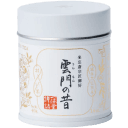
Ummon-no-Mukashi (雲門の昔) — "Gate of Clouds Long Ago"
Named after a famous Zen koan, Ummon is Ippodo's flagship ceremonial grade and the product most reviewers point to when assessing what Ippodo can do at its best. The body is full, the umami is deep and sustained, the finish is long and warming. Virtually no bitterness at proper water temperature. Suitable for both koicha and exceptional usucha.
- Umami: Very high | Sweetness: High | Bitterness: Near zero
- Aroma: Deep evergreen, rich, satisfying
- Colour: Vivid emerald green
- Best for: Special-occasion usucha, koicha, gifting, experiencing Ippodo at its ceiling
- Note: This is the grade that justifies Ippodo's reputation. If you want to understand why serious enthusiasts use Ippodo, start here.
Kanza (寒霞) — The Pinnacle
Ippodo's absolute top grade. At approximately $5.20/g, it is among the most expensive ceremonial matcha available retail. Reserved for serious practitioners and collectors. Extraordinary depth, extraordinary sweetness, extraordinary rarity.
- Best for: Tea ceremony masters, special occasions, dedicated enthusiasts who have worked through the full lineup
- Availability: Extremely limited; requires stock alerts to purchase when available
Which Ippodo Matcha Should You Buy?
Complete beginner
Sayaka-no-Mukashi
Most accessible, crowd-favourite entry point; smooth with light astringency
Daily drinker
Ikuyo-no-Mukashi
The best value for consistent daily ceremonial drinking; also excellent in lattes
Matcha latte lover
Ikuyo or Sayaka
Both hold up well against milk; Ummon and above are too good to mix with milk
First koicha experience
Ummon-no-Mukashi
The minimum grade for quality koicha; rich enough to reward thick preparation
Gifting
Ummon-no-Mukashi
Premium tin, well-known name, flagship quality — the safe gift for a matcha lover
Serious ceremonial
Kan no Shiro or Kuon
Upper Rich tier; for practitioners who have moved past Ummon and want more depth
The ceiling experience
Kanza
When you want to know what Ippodo's absolute best feels like in a bowl
Flavour Comparison
| Blend | Body | Umami | Sweetness | Bitterness | Finish |
|---|---|---|---|---|---|
| Wakaki | Light | ★★☆☆☆ | ★★☆☆☆ | ★★★★☆ | Short, crisp |
| Sayaka | Light–Med | ★★★☆☆ | ★★★☆☆ | ★★★☆☆ | Refreshing |
| Ikuyo | Medium | ★★★★☆ | ★★★★☆ | ★★☆☆☆ | Warm, balanced |
| Ummon | Rich | ★★★★★ | ★★★★☆ | ★☆☆☆☆ | Long, warming |
| Kan no Shiro | Rich | ★★★★★ | ★★★★★ | ★☆☆☆☆ | Very long |
| Kanza | Rich | ★★★★★ | ★★★★★ | ☆☆☆☆☆ | Extraordinary |
How Does Ippodo Compare to Other Producers?
- vs. Marukyu Koyamaen: Marukyu Koyamaen's grades tend toward more raw Uji terroir expression — more variation, more complexity in the upper tiers, slightly more austere. Ippodo's house style is more consistent and sweeter. If you want the quintessential accessible Uji matcha experience, Ippodo. If you want the most traditional Uji character, Marukyu Koyamaen.
- vs. Horii Shichimeien: Horii is rarer and manages the historic Oku no Yama garden. Their Narino grade has exceptional L-theanine content. Less internationally accessible. Ippodo is easier to buy; Horii is harder to find but equally prestigious.
- vs. Nakamura Tokichi: Nakamura Tokichi has strong tea ceremony endorsements from Urasenke and a famous café culture. Ippodo has broader international distribution and retail presence (including a New York store). Both are excellent Uji producers.
- vs. Tsujiri: Tsujiri (Tsujirihei Honten) is founded in 1860 and focuses on traditional honzu shading methods. Less internationally accessible than Ippodo. Both are respected Uji houses with different strengths — Tsujiri leans more traditional in method; Ippodo in blend refinement.
Frequently Asked Questions
Is Ippodo matcha worth the price?
Yes, for traditional whisked preparation. The difference between Ikuyo and a commercial grade is immediately apparent — more sweetness, zero bitterness at correct temperature, a lasting umami finish. For lattes, the difference matters somewhat less, making Sayaka the most practical investment.
Which Ippodo matcha should a beginner buy?
Sayaka is the most-recommended starting point because it is smooth, approachable, and clearly shows what Ippodo quality means. If you primarily make lattes, Ikuyo is equally good and slightly more forgiving when mixed with milk.
Is Ippodo authentic Uji matcha?
Yes. All Ippodo ceremonial grades are first-harvest, stone-ground Uji matcha sourced from the Uji region of Kyoto Prefecture. Their 1717 founding predates most other international matcha brands by centuries.
Why is Ippodo Ummon no Mukashi sold out?
It is their flagship grade and ships to multiple international markets simultaneously. During the 2025–2026 shortage, upper-tier Uji grades have sold out in hours after restocking. Set up a stock alert to be notified immediately.
Can I use Ikuyo for koicha?
Technically yes, but Ummon no Mukashi is the recommended minimum for quality koicha preparation in the Ippodo system. Ikuyo is a Medium-body grade; koicha benefits from Rich-body grades that have the depth to sustain the concentrated preparation.
What cultivars does Ippodo use?
Ippodo works with four cultivars: Okumidori, Yabukita, Samidori, and Gokou. Different cultivars contribute distinct profiles — Samidori is known for deep colour and sweetness; Gokou for umami richness; Okumidori for smooth texture.
Is Ippodo or Marukyu Koyamaen better?
Neither is objectively better — they have different house styles. Ippodo is sweeter, more consistent, and more accessible internationally. Marukyu Koyamaen expresses more Uji terroir, more complexity in upper grades, and is the choice of stricter tea ceremony practitioners. Many serious matcha drinkers buy from both.
How should I store Ippodo matcha?
Refrigerate opened tins in an airtight container. Bring to room temperature before opening to prevent condensation. Use within 4–6 weeks of opening for optimal freshness and colour.
Can I buy Ippodo outside Japan?
Yes. Ippodo ships internationally via their website, operates a store in New York, and stocks through authorised retailers in the US and Europe. The Japan store and US store sometimes have different stock availability.
Buying Guide
- Which grades sell out first: Ummon no Mukashi is consistently the fastest to go. Kan no Shiro and Kuon follow. Sayaka and Ikuyo are more available but still sell out during peak periods.
- Japan vs. US stock: The Japan and US Ippodo stores operate separately. If one is sold out, check the other — international shipping adds cost but may be the only option for specific grades.
- Batch freshness: Look for the most recent production date when buying from third-party retailers. Ippodo tins should ideally be less than 6 months from production.
- Avoiding counterfeits: Buy only from Ippodo's official website, their New York store, or established authorised retailers. Ippodo branding is widely recognised, making it a counterfeiting target.
- Gift sets: Ippodo offers curated gift sets that are excellent for recipients — professionally packaged, clearly graded, with a brand reputation that signals quality.
Get Instant Alerts for Ippodo Restocks
Ummon no Mukashi, Kan no Shiro, and Kanza sell out in hours. Track every Ippodo blend — plus Marukyu Koyamaen, Horii Shichimeien, and 15+ top Japanese tea houses. Never miss a restock again.
Get Ippodo Stock AlertsFree to browse · Restock alerts in the Discord community · See pricing
Conclusion
Ippodo is the benchmark against which other premium Uji matcha is often measured — not because they are the absolute most complex or the most traditional, but because they have refined the experience of drinking excellent Kyoto matcha to a consistent, accessible, and deeply satisfying standard over 300 years. Their blends are well-named, well-graded, and honest about what they are.
Start with Sayaka or Ikuyo. Graduate to Ummon no Mukashi when you are ready for the flagship experience. From there, the upper reaches of the lineup will speak for themselves. The challenge is simply getting stock when you need it.
Ippodo Tea — full brand guide, grade breakdown & current stock status →