
Complete Guide to Marukyu Koyamaen Matcha (2026)
Marukyu Koyamaen is the choice of serious practitioners, tea ceremony schools, and matcha connoisseurs worldwide. But with over a dozen grades spanning everyday to competition-level, knowing which to buy — and how to get one when it inevitably sells out — takes a proper guide.
Why Marukyu Koyamaen?
If Ippodo is the most internationally accessible top-tier Uji tea house, Marukyu Koyamaen is the one that serious practitioners quietly point to when asked where they actually buy their matcha. Founded in 1704 in the Uji region of Kyoto — older than Ippodo by 13 years — Marukyu Koyamaen has operated without interruption for over 320 years, refining its production methods across generations of the same family.
What makes Marukyu Koyamaen distinctive is vertical integration: the house controls the entire chain from tea garden cultivation through shade management, harvest, tencha processing, and stone-grinding. Most Western matcha brands source from multiple producers and blend; Marukyu Koyamaen maintains a direct relationship with its Uji tea fields. Each grade in the lineup is a direct expression of specific first-harvest leaf and cultivar selection — not a post-harvest blending decision.
The result is a lineup that tea ceremony schools trust. Urasenke and Omotesenke — the two most prestigious tea ceremony schools descended from Sen no Rikyū — both use Marukyu Koyamaen matcha. That institutional endorsement says more about the quality than any review.
⚠️ Stock Reality in 2026
Marukyu Koyamaen's upper ceremonial grades — particularly Unkaku and Wako — are frequently sold out for weeks at a time. Purchase limits are in place on some products. If you find the grade you want in stock, buy it. Setting up stock alerts is the most reliable strategy for securing specific grades without constantly checking the website.
About Marukyu Koyamaen
- Founded: 1704 — Genroku era, late Edo period
- Region: Uji, Kyoto Prefecture, Japan
- Structure: Family-run, vertically integrated from garden to stone mill
- Tea schools: Supplies Urasenke and Omotesenke tea ceremony schools
- Production: All matcha stone-ground in Uji; first-harvest (ichibancha) only for ceremonial grades
- Cultivars: Samidori, Okumidori, Gokou, Uji-Hikari — selected per grade
- International shipping: Via official website and selected international retailers
The name "Marukyu Koyamaen" combines the Koyama family name (小山) with en(園, garden) and the Marukyu (丸久) trade mark used since the Edo period. Today's operations include multiple stone-grinding facilities in Uji, a tea museum, and retail locations in Kyoto and Tokyo. Their stone mills run at the traditional 40 grams per hour, and the house has not compromised on this.
Why Matcha Lovers Choose Marukyu Koyamaen
Experienced matcha drinkers who have worked through Ippodo's lineup often reach a point where they seek more complexity and a more "traditional" Uji character. That is usually when they arrive at Marukyu Koyamaen. Several factors explain the loyalty:
- Terroir transparency: Each grade reflects specific leaf selection rather than blending to a consistent house flavour profile. You taste the actual leaf.
- Grade clarity: The lineup is logically structured — Kinrin and above are koicha-capable, Wako and below are usucha only. This makes navigation easier than some rivals.
- Stone-grinding integrity: The house publishes and maintains its commitment to traditional stone-milling. No air-jet milling in the ceremonial lineup.
- Tea ceremony endorsement: Urasenke and Omotesenke credentials are the highest possible institutional validation in the Japanese tea world.
- Consistent quality: Reviews across Reddit, tea communities, and Japanese sources consistently rank Marukyu Koyamaen as one of the two or three most reliable high-quality Uji producers available internationally.
Complete Product Guide: Every Grade Explained
Marukyu Koyamaen divides its lineup into two families. Kinrin and abovecan be prepared as either koicha (thick tea) or usucha (thin tea). Wako and below are for usucha only. Culinary grades (Ayame, Suisen, Midorigi, Byakuren) are for baking and beverages, not traditional whisked preparation.
| Grade | Best For | Flavour Character | Price Range | Level |
|---|---|---|---|---|
| Tenju 天授 | Koicha, special occasions | Ultra-rich umami, extraordinary sweetness | $$$$$ | Competition |
| Unkaku 雲鶴 | Koicha, connoisseur usucha | Deep umami, full body, virtually no bitterness | $$$$ | Premium |
| Choan 長安 | Koicha, ceremonial practice | Mellow sweetness, creamy, refined | $$$$ | Premium |
| Kinrin 金輪 | Entry koicha, special usucha | Creamy, nutty, balanced umami | $$$ | High ceremonial |
| Wako 和光 ★ | Elegant daily usucha, gifting | Exceptional sweetness, smooth, long finish | $$$ | Top usucha |
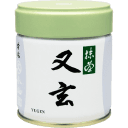
| Yugen 又玄 | Experienced daily drinkers | Complex, nutty, rounded umami | $$$ | Premium usucha |
| Isuzu 五十鈴 ★ | Daily drinking, tea ceremony practice | Balanced, floral, clean finish | $$ | Mid ceremonial |
| Chigi no Shiro 千木の白 | Beginners, light usucha | Light, smooth, low bitterness | $$ | Mid ceremonial |
| Aoarashi 青嵐 ★ | Beginners, lattes, daily drinking | Bold, brisk, grassy, approachable | $ | Entry ceremonial |
| Wakatake 若竹 | Matcha lattes, high-volume | Strong, robust — holds up against milk | $ | Standard |
★ = Most frequently recommended grades by tea community
Grade Deep Dives
Aoarashi (青嵐) — "Green Storm"
The most popular entry point into Marukyu Koyamaen. Aoarashi delivers a bright, brisk character with pronounced grassiness and a clean finish. The bitterness is medium-high compared to upper grades, but this is part of its character — it is bold and energetic, not harsh.
- Umami: Medium | Sweetness: Low-medium | Bitterness: Medium
- Best for: Matcha lattes, beginners transitioning from commercial brands, daily drinking
- Not ideal for: Koicha or traditional ceremony — too brisk at that concentration
Isuzu (五十鈴) — Named after the Sacred River at Ise Shrine
Where Aoarashi is bold, Isuzu is serene. Named after the sacred river at the Ise Grand Shrine, Isuzu is where Marukyu Koyamaen's character becomes truly apparent: natural sweetness without any sweetener, balanced umami, and a clean, lingering finish. Widely used by tea ceremony practitioners as their daily-practice grade.
- Umami: Medium-high | Sweetness: Medium-high | Bitterness: Low
- Best for: Daily whisked matcha, tea ceremony practice, those who want "real" matcha character
- Verdict: The most recommended grade for people who want to experience what premium Uji matcha actually tastes like without spending on upper tiers
Wako (和光) — "Harmony of Light"
Wako is the flagship usucha grade — the one serious daily drinkers aspire to. It offers exceptional sweetness, a long, complex finish, and very little bitterness. In the cup it is elegant rather than bold: refined, smooth, and unmistakably high quality.
- Umami: High | Sweetness: Very high | Bitterness: Very low
- Best for: Daily ceremonial drinking, gifting, anyone who wants the best usucha experience without moving into koicha territory
- Note: This grade sells out quickly; set up stock alerts
Unkaku (雲鶴) — "Cloud Crane"
Unkaku is where the lineup crosses into connoisseur territory. It is Marukyu Koyamaen's most celebrated koicha-capable grade available in regular retail. The umami is powerful — oceanic, almost savoury — with a body that fills the palate and a finish that lingers for minutes. Virtually no bitterness at any preparation style.
- Umami: Very high | Sweetness: High | Bitterness: Near zero
- Best for: Formal koicha, hosting guests, special occasions, experienced matcha drinkers
- Not for: Beginners or lattes — too complex and expensive to mix with milk
Tenju (天授) — "Heavenly Gift"
The absolute pinnacle of the Marukyu Koyamaen retail lineup. Tenju is a competition-grade koicha matcha that is rarely in stock and commands serious prices. If you encounter it available, it is a genuine find. Reserved for the most formal tea ceremony occasions.
- Best for: Tea ceremony practitioners, collectors, serious enthusiasts seeking the ceiling of Uji matcha
- Reality: Frequently out of stock for months; stock alert is essential
Which Marukyu Koyamaen Should You Buy?
First-time buyer
Aoarashi
Accessible price, forgiving in lattes and whisked; a genuine taste of Uji character
Daily drinker
Isuzu
Perfect everyday ceremonial; balanced, naturally sweet, never tiring
Matcha latte lover
Aoarashi or Wakatake
Bold enough to stand up to milk; upper grades are wasted in lattes
Tea ceremony (usucha)
Wako or Yugen
Refined, elegant, appropriate for formal usucha preparation
Tea ceremony (koicha)
Unkaku or Kinrin
Kinrin is the entry koicha grade; Unkaku is the traditional choice
Gift
Wako or Unkaku
Premium packaging, prestigious grades — appropriate for a serious tea lover
Experienced enthusiast
Choan, Unkaku, or Tenju
Top of the lineup; each expresses the full ceiling of Uji stone-ground matcha
Flavour Comparison at a Glance
| Grade | Umami | Sweetness | Bitterness | Body | Finish |
|---|---|---|---|---|---|
| Tenju | ★★★★★ | ★★★★★ | ★☆☆☆☆ | Full | Very long |
| Unkaku | ★★★★★ | ★★★★☆ | ★☆☆☆☆ | Full | Long |
| Wako | ★★★★☆ | ★★★★★ | ★★☆☆☆ | Medium-full | Long |
| Yugen | ★★★★☆ | ★★★☆☆ | ★★★☆☆ | Medium | Medium |
| Isuzu | ★★★☆☆ | ★★★★☆ | ★★★☆☆ | Medium | Clean |
| Aoarashi | ★★☆☆☆ | ★★☆☆☆ | ★★★★☆ | Light-medium | Brisk |
How Does Marukyu Koyamaen Compare to Other Uji Producers?
Rather than declaring winners, here is how the major producers differ in character:
- vs. Ippodo: Ippodo's lineup is slightly more approachable and better distributed internationally, with a house character that leans sweeter and more consistent. Marukyu Koyamaen expresses more of the raw terroir in each grade — more variation between levels, more distinctly "Uji" in character. Serious practitioners often say Marukyu Koyamaen is more "traditional"; Ippodo is more "refined."
- vs. Horii Shichimeien: Horii is rarer and more geographically focused (their historic Oku no Yama garden). Their Narino grade has exceptional L-theanine (~40mg/g). Marukyu Koyamaen is more widely available and offers a broader grade range.
- vs. Nakamura Tokichi: Nakamura Tokichi is a strong Uji producer with tea ceremony endorsements (Urasenke approval on several grades), but smaller international presence. Marukyu Koyamaen is generally more accessible outside Japan.
- vs. Yamamasa Koyamaen: Despite the similar name, these are separate houses. Yamamasa Koyamaen is smaller and less internationally distributed. Both are respected within Japan.
Frequently Asked Questions
Why is Marukyu Koyamaen so expensive?
Stone-grinding at 40g/hour, first-harvest Uji leaf, and over 320 years of production expertise — none of these scale cheaply. The pricing reflects genuine artisanal constraints, not marketing.
Which Marukyu Koyamaen matcha is best for beginners?
Aoarashi is the most practical entry point for price and approachability. If you want to immediately experience the house character at its best, start with Isuzu — it is not much more expensive and the difference in flavour quality is significant.
Is Marukyu Koyamaen authentic Uji matcha?
Yes. The house is based in Uji, Kyoto, and has produced Uji matcha since 1704. All ceremonial grades are first-harvest, stone-ground Uji tencha.
Which grade should I buy for a matcha latte?
Wakatake or Aoarashi. Wako and above are too refined — and too expensive — to mix with milk. The bold, grassy character of Aoarashi actually performs well in lattes.
Why is Unkaku always sold out?
Unkaku is Marukyu Koyamaen's most popular high-end grade. Its production is limited by stone-mill capacity and first-harvest availability. Set up stock alerts for immediate notification when it restocks.
Can I use Isuzu for koicha?
No. The Kinrin grade is the minimum for koicha in the Marukyu Koyamaen system. Isuzu is an excellent usucha grade but lacks the depth required for concentrated thick tea.
Is Marukyu Koyamaen worth it compared to cheaper matcha?
For traditional whisked preparation, absolutely. The difference between Isuzu and a commercial-grade matcha is not subtle — it is a completely different experience in sweetness, umami, and texture. For lattes or baking, the difference matters less.
How should I store Marukyu Koyamaen matcha?
Refrigerate opened tins immediately in an airtight container. Bring to room temperature before opening. Use within 4–6 weeks of opening for best colour and flavour.
Where can I buy Marukyu Koyamaen outside Japan?
The official website ships internationally. Selected US and EU retailers also stock the range. Availability varies significantly by grade — the upper tiers are often Japan-only stock.
Buying Guide: How to Secure Marukyu Koyamaen
- Which grades sell out first: Unkaku, Wako, and Tenju are the fastest to go. Aoarashi and Isuzu are more readily available but still sell out during peak demand periods.
- Batch dates: Marukyu Koyamaen tins are marked with production dates. Look for the most recent batch when purchasing from retailers — avoid stock that has been sitting for more than 6 months.
- Avoiding fakes: Buy only from the official website or established verified retailers (Kanso Tea, Nara Tea Co., Ippodo-adjacent authorised sellers). If a price looks too low, it probably is not authentic.
- Stock alerts: The most reliable method for securing Unkaku or Tenju is automated stock alerts — these grades can restock and sell out in under an hour.
- EU buyers: The Soju–Meiju–Oju series is the EU-formulated equivalent of the main lineup, shipped from within Europe. It covers comparable quality tiers and is often in stock when the Japan-origin products are not.
Get Instant Alerts for Marukyu Koyamaen Restocks
Unkaku, Wako, and Tenju sell out in hours. Track every Marukyu Koyamaen grade — plus Ippodo, Horii Shichimeien, and 15+ top Japanese tea houses. Never miss a restock again.
Get Stock AlertsFree to browse · Restock alerts in the Discord community · See pricing
Conclusion
Marukyu Koyamaen has earned its reputation through 320 years of uncompromising production in Uji. Their lineup is logical, well-graded, and covers every matcha use case from casual daily drinking to formal tea ceremony. Start with Isuzu or Aoarashi to understand the house character, then work upward to Wako and Unkaku as your palate develops.
The challenge is not choosing the right grade — it is getting one. Upper tiers sell out predictably and restock irregularly. Set up alerts across your target grades, be ready to purchase quickly, and you will eventually secure every grade worth drinking.
Marukyu Koyamaen — full brand guide, grade breakdown & current stock status →