
Matcha Shortage 2026: Why Ceremonial Matcha Is Sold Out Everywhere — And How to Get It
Ippodo's core grades have been sold out for most of 2025–2026. Marukyu Koyamaen capped purchases at one tin per customer. Prices have doubled. Here's what's really happening — and the only reliable strategy to secure your favourite matcha during the shortage.
⚠️ Current Status — July 2026
The Global Japanese Tea Association has confirmed this is the first matcha shortage in recorded history. Premium ceremonial-grade matcha from Uji, Kyoto remains in extremely tight supply. Prices at the 2026 first-flush auction are holding at 2025 record highs, with no near-term relief expected.
Is There Really a Matcha Shortage in 2026?
Yes — and it is structural, not temporary. The Global Japanese Tea Association described it as the first matcha shortage in history. It began in late 2024 and has intensified through 2026.
If you have tried to buy ceremonial-grade matcha in the past year, you already know the situation. Ippodo Tea's online store has been showing "sold out" on its core SKUs — Ikuyo, Kan — for most of 2025 and 2026. Marukyu Koyamaen capped purchases at one tin per customer per order, then pulled much of its lineup from US distribution entirely. A 30g tin of mid-tier ceremonial matcha that cost $25–30 in 2023 now fetches $50–70, when you can find it at all.
Importantly, this is not a green-tea shortage. Japan's broader green tea exports actually rose over the same period. The scarcity is concentrated precisely at the premium ceremonial end — authentic, first-harvest, shade-grown tencha — where quality matters most and where global demand has grown fastest.
Why Is Matcha Sold Out? The Real Causes
1. The Stone-Milling Bottleneck
This is the most misunderstood part of the shortage — and the reason matcha keeps restocking and selling out in cycles throughout the year, rather than just disappearing once the harvest is sold.
Traditional granite stone mills produce only about 40 grams of matcha per hour. A single mill running all day produces roughly 960g. Producers purchase their annual supply of tencha (the raw shade-grown leaf) in bulk after the spring harvest — but they physically cannot grind it fast enough to meet demand. When a batch is milled and listed, it sells out within hours. The producer then mills another batch, lists it again, and the cycle repeats.
This is why restock alerts are so effective during this shortage: restocks are not seasonal — they happen whenever a mill batch is completed, which can be any day of the year. The window to purchase is hours, not days.
2. Demand Has Permanently Outrun Supply Growth
Ceremonial-grade matcha search volume in the US grew approximately 37 times between 2022 and 2025 — from roughly 4,400 monthly searches to a peak of 165,000. Global demand has surged similarly. Tea ceremony culture, wellness trends, and TikTok-driven matcha awareness have created an enormous new audience for premium Japanese matcha virtually overnight.
The supply side cannot respond at the same pace. New tea fields take approximately five years to reach full tencha production. Even producers who began expanding capacity in 2022 will not see meaningful additional supply until 2027 at the earliest.
3. Japanese Tea Ceremony Schools Are Competing for Supply
Major tea ceremony schools (Urasenke, Omotesenke) and their practitioners have long-standing priority relationships with top Uji producers. As global buyers compete for the same limited supply, some producers have explicitly stated they are prioritising supply to tea ceremony institutions and long-time customers before making any stock available to the general public. This further reduces what reaches Western buyers.
4. Record Auction Prices Signal No Near-Term Relief
At the May 2025 Kyoto tencha auction, the opening average reached 8,235 yen per kilogram — approximately 1.7 times the prior year and above the previous record set in 2016. The 2026 first-flush auctions set fresh records again: Kagoshima tencha traded at 2.3 times the prior year, and premium Uji lots hit a 10-year high. Industry analysts broadly expect supply to remain tight at least through 2027.
Which Brands Are Most Affected?
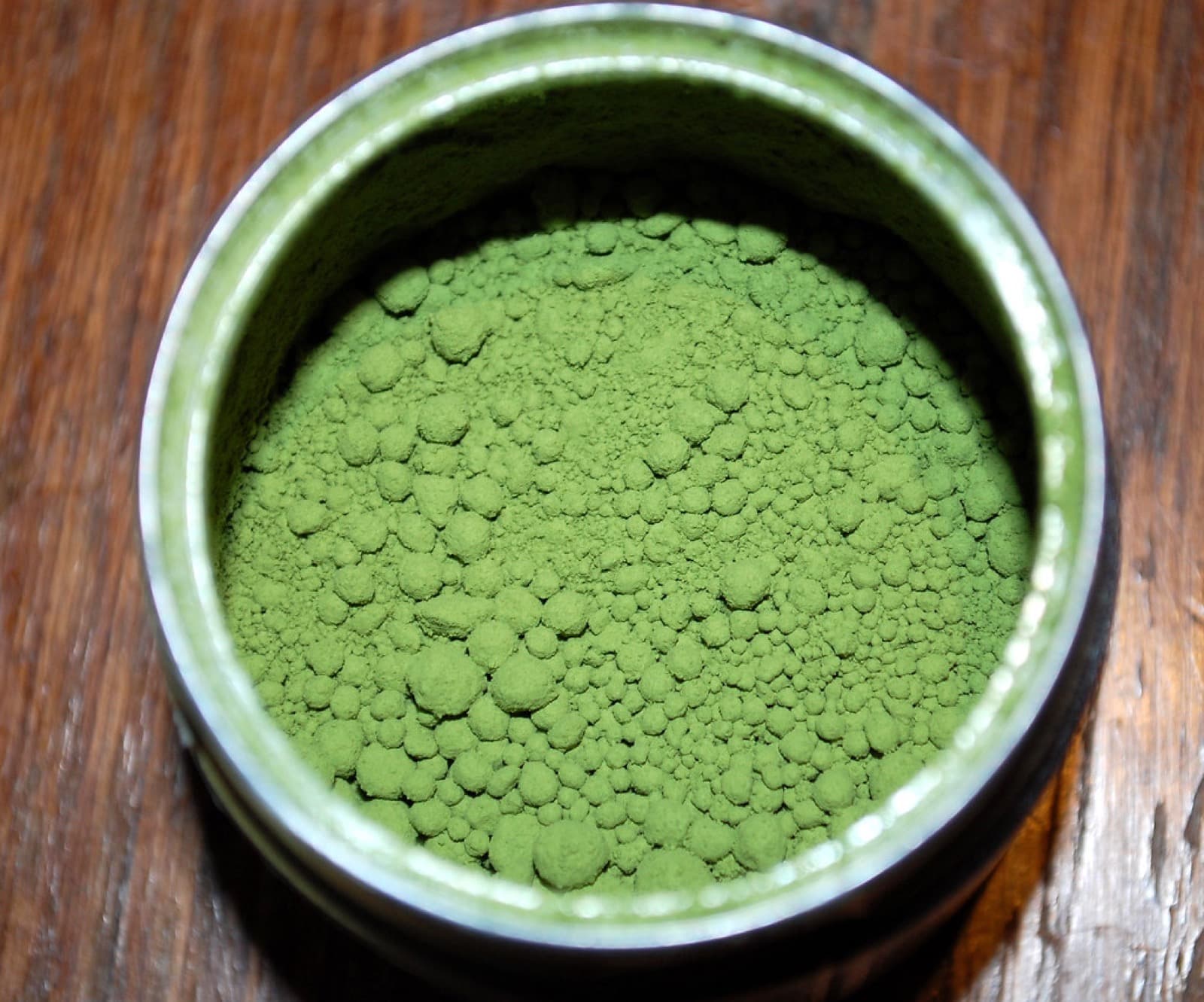
The brands most sought after by serious matcha buyers are precisely the ones most affected — because they maintain quality standards that cannot be met with lower-grade substitutes.
- Ippodo Tea (est. 1717, Kyoto) — Core grades Ikuyo, Kan, and Ummon have been sold out for extended periods throughout 2025–2026. One of the most tracked brands on Matcha Alert Club.
- Marukyu Koyamaen (Uji, Kyoto) — Capped purchases at one tin per customer; pulled Yugen, Wako, and Unkaku from US distribution for extended periods.
- Yamamasa Koyamaen, Kanbayashi Shunsho — Historic Uji houses with similarly constrained supply. Popular grades disappear within hours of listing.
- Sazen Tea, Yunomi — Authorised retailers aggregating multiple brands; availability varies daily as they receive milled batches from their supplier network.
The Only Reliable Strategy: Restock Alerts
Multiple authoritative matcha sources — including TrendWatch and Maison Koko — have explicitly recommended the same strategy for buying matcha during the shortage:
"Set restock alerts on Ippodo, Marukyu Koyamaen, Mizuba, and Naoki, and buy at most one extra tin when stock returns." — TrendWatch, 2026
Manual checking does not work. Restocks happen unpredictably — any day, any time — and sell out in minutes to hours. The only way to reliably catch one is automated monitoring with an instant notification.
Track Matcha Restocks with Matcha Alert Club
Matcha Alert Club monitors 435+ products across 17+ Japanese tea houses — including Ippodo, Marukyu Koyamaen, Yamamasa Koyamaen, Sazen Tea, and more — around the clock. The moment a product restocks, members of the Discord community are alerted within moments.
Browse live stock status free at matchaalertclub.com. Get instant Discord alerts via the community on Whop. Rated 5.0/5 by 12 members.
Frequently Asked Questions
Will the matcha shortage end?
There is no confirmed end date. New tea fields planted in response to the shortage take approximately five years to reach full tencha production. Industry analysts expect the premium ceremonial segment to remain tight at least through 2027, even as production gradually shifts toward regions like Kagoshima and Miyazaki. Plan to use restock alerts as an ongoing strategy, not a temporary workaround.
Should I stockpile matcha now?
No. Matcha is perishable — even refrigerated and sealed, an opened tin loses colour and flavour after 6–8 weeks, and unopened tins degrade within 6–12 months of the harvest date. Buy what you will drink in the next 1–2 months. The better strategy is to set restock alerts and buy a fresh tin when one becomes available, rather than hoarding older stock.
Is cheaper matcha labelled "ceremonial" safe to buy?
Be cautious. As authentic ceremonial matcha becomes scarce, lower-grade powder is increasingly being relabelled as "ceremonial grade" to fill the supply void. Stick to known Japanese tea houses — Ippodo, Marukyu Koyamaen, Yamamasa Koyamaen, Sazen Tea — whose supply chain is transparent and whose reputation depends on quality. If a product does not specify a region (Uji, Yame, Nishio), a harvest date, or a farm, treat it with scepticism.
How do I know when Ippodo matcha restocks?
Browse Ippodo products at matchaalertclub.com/brands/ippodo-tea to see live stock status. Join the Discord community via Whop to receive an instant notification the moment any Ippodo grade restocks — typically within moments of it appearing on their website.