
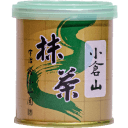
Yamamasa Koyamaen Matcha Guide (2026)
Yamamasa Koyamaen is a family-owned Uji tea house that trades scale for control — every tin passes through the same hands, from cultivation to grinding. Here's what makes their small-batch matcha worth tracking, and how to actually get some.
Why Yamamasa Koyamaen?
Yamamasa Koyamaen continues the tradition of Uji matcha production with meticulous attention to quality. Their matcha is cultivated using traditional methods, resulting in vibrant color and rich umami flavor — the kind of profile that comes from a producer who isn't scaling for volume.
Unlike larger commercial operations, Yamamasa Koyamaen maintains direct oversight of their entire production process, from cultivation to final packaging, ensuring consistency and authenticity in every tin. It's a family-owned tea house deeply rooted in Uji's centuries-old tea tradition — the exact founding date isn't widely publicized, but the company has produced premium matcha across multiple generations, carrying forward the artisanal methods that made Uji famous as Japan's premier tea-growing region.
⚡ Why Yamamasa Koyamaen Sells Out
Small-batch production means limited international distribution. Popular varieties like Samidori and Ogurayama typically sell out within days of restocking, and some retailers impose purchase limits to keep distribution fair. Restocks occur roughly every 4-6 weeks, so a stock alert is the reliable way to catch one.
About Yamamasa Koyamaen
- Structure: Family-owned, multi-generational Uji tea house
- Region: Uji, Kyoto — one of Japan's most historic tea-growing areas
- Production scale: Small-batch, hands-on at every stage
- Signature varieties: Samidori, Ogurayama
- International availability: Limited — select specialty retailers and importers
How It's Made
Yamamasa Koyamaen exemplifies small-batch artisanal production. Their tea gardens in Uji benefit from generations of soil cultivation and careful plant selection. Traditional shading techniques using natural reed screens allow precise control over leaf development, creating the ideal balance of chlorophyll, amino acids, and flavor compounds.
The family personally oversees the spring harvest, selecting only the most tender first-flush leaves. After steaming and drying, leaves are stone-ground in small quantities to maintain freshness and prevent oxidation. This hands-on approach means production is limited, but quality is uncompromising — each batch is tasted and approved by family members before release.
Flavor Profile
Yamamasa Koyamaen matcha is distinguished by its vibrant jade-green color and exceptional umami richness. The aroma is fresh and vegetal with sweet undertones reminiscent of steamed edamame and fresh-cut grass. On the palate, expect a bright, clean flavor profile with pronounced umami that coats the mouth without heaviness.
Natural sweetness emerges mid-palate, balanced by gentle vegetal notes and minimal bitterness. The texture is smooth and creamy when properly whisked, and the finish is remarkably clean and refreshing. Their Samidori variety is particularly noted for its balanced character — accessible to newcomers while still satisfying experienced matcha drinkers.
First-time buyer
Samidori
Balanced character that works for both traditional preparation and lattes
Looking for more complexity
Ogurayama
A step up in intensity for drinkers who already know their Yamamasa Koyamaen basics
Availability & Buying Guide
- Where to buy: Select specialty tea retailers and online importers who focus on authentic Japanese teas — Yamamasa Koyamaen doesn't have the broad international retail footprint of Ippodo or Marukyu Koyamaen.
- Restock cadence: Roughly every 4-6 weeks, varying with production schedule and season.
- Sell-out speed: Popular grades like Samidori and Ogurayama often sell out within 24-48 hours of restocking.
- Purchase limits: Some retailers cap quantity per order to keep distribution fair during high demand.
- Preparation: For usucha, use 1.5-2g with 70-80ml of 175°F (80°C) water, whisked briskly in a "W" or "M" motion. For koicha, use 3-4g with 30-40ml water, whisked slowly for a thick, smooth consistency.
How Does It Compare to Ippodo or Marukyu Koyamaen?
Ippodo and Marukyu Koyamaen operate at a scale that allows global retail presence and more predictable restocks. Yamamasa Koyamaen trades that reach for a smaller, family-run operation — the appeal is direct oversight of every batch rather than broad availability. If you want the most accessible entry into premium Uji matcha, start with Ippodo. If you already know Uji matcha and want to explore a smaller producer with a distinct, hands-on character, Yamamasa Koyamaen is worth tracking.
Frequently Asked Questions
What makes Yamamasa Koyamaen different from larger brands?
As a family-owned operation, Yamamasa Koyamaen maintains direct control over every production step, from cultivation to packaging. Their small-batch approach prioritizes quality over quantity, resulting in limited availability but exceptional consistency.
How often does Yamamasa Koyamaen restock?
Restocks typically occur every 4-6 weeks, though this can vary by season and grade. Due to limited production, popular grades sell out quickly — often within 24-48 hours. Setting up restock alerts is highly recommended.
Is Yamamasa Koyamaen worth the premium price?
For those who appreciate artisanal, small-batch production and traditional methods, yes. The vibrant color, rich umami, and clean flavor profile reflect the care invested in every tin, though more affordable options exist if that's not a priority for you.
Which Yamamasa Koyamaen grade should I try first?
Samidori is an excellent starting point, offering balanced flavor that works well for both traditional preparation and modern applications like lattes. Ogurayama provides a step up in complexity for those seeking more pronounced umami.
How should I prepare Yamamasa Koyamaen matcha?
For usucha, use 1.5-2g (about 1 teaspoon) with 70-80ml of 175°F (80°C) water, whisked vigorously until frothy. For koicha, use 3-4g with 30-40ml of water, whisked slowly to create a thick, smooth consistency.
Get Instant Alerts for Yamamasa Koyamaen Restocks
Samidori and Ogurayama sell out within days of restocking. Track Yamamasa Koyamaen — plus Ippodo, Marukyu Koyamaen, and 15+ top Japanese tea houses. Never miss a restock again.
Get Stock AlertsFree to browse · Restock alerts in the Discord community · See pricing
Conclusion
Yamamasa Koyamaen isn't trying to be everywhere — it's trying to be consistent, hands-on, and true to Uji tradition at a scale one family can actually oversee. That trade-off means less availability, but for drinkers who want to explore beyond the two or three brands everyone already knows, it's a worthwhile addition to track.
Yamamasa Koyamaen — full brand guide, grade breakdown & current stock status →