
Hoshino Seichaen Matcha: Yame Grades and Where to Buy (2026)
Hoshino Seichaen has grown Yame, Fukuoka tea since 1946 and makes eight matcha grades from ¥1,080 to ¥4,320 a tin. How to pick one and where to buy it.
Last updated: October 1, 2026
Restocks sell out in minutes — get the alert in Discord.
Get Access to Restock Alerts (Discord community via Whop, opens in a new tab)Hoshino Seichaen rarely comes up next to Ippodo or Marukyu Koyamaen. It is a genuine, award-winning producer from one of Japan's other premium tea regions. This guide covers who they are, what their grades mean, and where to actually buy their matcha. The grade and price details come from the producer's own Japanese-language store and company history.
What is Hoshino Seichaen?
Hoshino Seichaen is a tea producer in Hoshino Village, in the Yame district of Fukuoka Prefecture on Kyushu. It was founded in 1946, began growing and processing tea in 1947, and today employs 42 people under representative Toshiyuki Yamaguchi. In 1989 it completed Kyushu's first full-scale tencha factory and installed 50 stone mills to make matcha. It added a two-line tencha plant in 2007 and another 50 stone mills in 2009. This is a serious regional manufacturer that grows and mills its own leaf, not a reseller with a label.
| At a glance | Hoshino Seichaen |
|---|---|
| Founded | 1946, Hoshino Village, Yame, Fukuoka |
| First Kyushu tencha factory | 1989, with 50 stone mills |
| Matcha grades (20 g) | Eight, from Yame-no-Hana to Hoju |
| Price range, 20 g | ¥1,080 to ¥4,320 incl. tax (July 2026) |
| Best first tin | Hoshi-no-Tsuyu (星の露), ¥1,620 |
| Certifications | ISO 9001, ISO 22000, Organic JAS |
Where is Yame and why does it matter for matcha?
Yame is a tea district in Fukuoka Prefecture, far from the Uji region near Kyoto that most premium Japanese matcha comes from. Hoshino Village sits in its hills and has about 3,500 residents. The trade magazine Tea Journey notes that the village has grown tea for more than six centuries and keeps winning national awards. Hoshino Seichaen's own record includes first-class prizes for gyokuro at the national tea fair in 1981 and 1983. In 2016 its Yame traditional hon-gyokuro won the agriculture minister's prize at the Japanese Tea Award. The company grows its matcha leaf with the same gyokuro shading methods.
What grades does Hoshino Seichaen make?
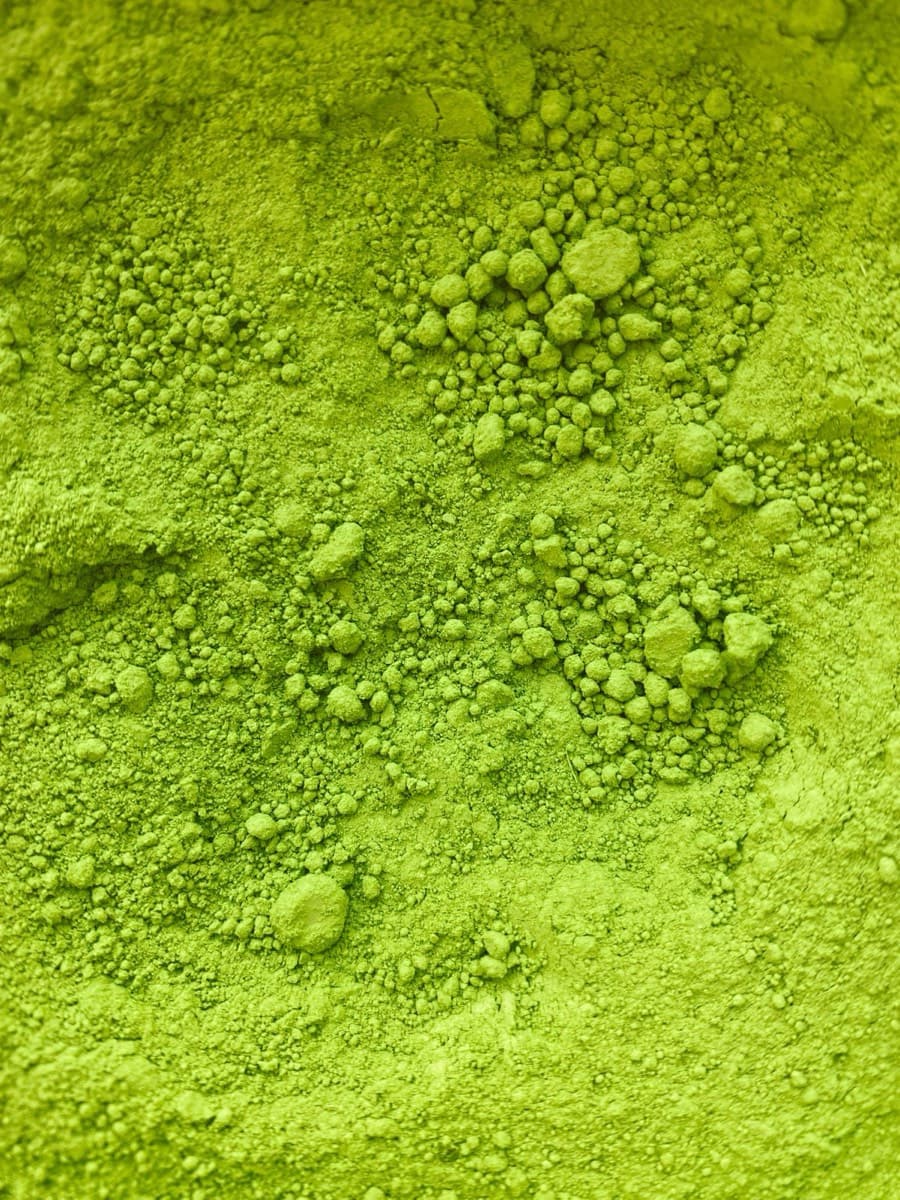
The official store lists eight 20 g matcha grades. The koicha grades are Hoju, Seiju and Seiho, with Seiho also sold as a premium usucha. The usucha grades are Ike-no-Shiro and Hoshi-no-Tsuyu. Yame-no-Tsuyu and Yame-no-Hana are sold for tea-ceremony practice, home use and sweets. A limited eighth tin, Hakuju, is made from an unshaded white-leaf cultivar. There are also three 100 g business-use bags for lattes and baking. Our Hoshino matcha grades guide covers each grade in detail.
How much does Hoshino Seichaen matcha cost?
Hoshino Seichaen revised every matcha price in July 2026. Its 20 g tins now cost from ¥1,080 for Yame-no-Hana to ¥4,320 for Hoju, including Japan's 8% consumption tax. Before tax, that is ¥50 to ¥200 per gram, or roughly $0.34 to $1.36 at about ¥147 to the dollar (mid-market, September 2026). That is cheap for the quality. Hoju, the top koicha, costs less per gram than mid-range Uji grades such as Ippodo's Ummon-no-mukashi. Importer prices are higher than these domestic figures.
Where can you buy Hoshino Seichaen matcha?
The producer sells direct only through its Japanese-language online shop. When we checked on 1 October 2026, every matcha grade there was sold out, and the top grade, Hoju, is capped at three tins per order. Most international buyers go through specialty importers instead. MatchaJP is the most established, with a dedicated Hoshino collection that ships from Japan. Importers sometimes label or rank the grades differently from the producer. Check the Japanese name on the tin (for example 星の露 for Hoshi-no-Tsuyu) to be sure what you are buying.
Sources
- Hoshino Seichaen: company profile and history (Japanese)
- Hoshino Seichaen official store: matcha category (July 2026 prices; checked 1 October 2026)
- Tea Journey: Hoshino Village's Tea Culture Museum (Greg Goodmacher, October 2019)
- TeaChat: Uji, Yame and Shizuoka — tastes different? (forum thread, 2009)
- MatchaJP: Hoshino Seichaen matcha collection
FAQ
Is Hoshino Seichaen a well-known matcha brand?
It is well regarded among Japanese tea people rather than a household name abroad. Its gyokuro won first-class prizes at Japan's national tea fair in 1981 and 1983. Its Yame traditional hon-gyokuro won the agriculture minister's prize at the 2016 Japanese Tea Award. Hoshino matcha was also chosen for "The Wonder 500", a government-backed list of outstanding regional products. Several tea-ceremony schools, including Urasenke and Omotesenke, have given the house named blends.
What is the best Hoshino Seichaen grade to start with?
Hoshi-no-Tsuyu (星の露), at ¥1,620 for 20 g. Hoshino Seichaen calls it its standard usucha, with a toasty, deep aroma, gentle sweetness and mild astringency, and says it suits beginners. Yame-no-Hana is cheaper, but the producer sells it as a practice, home and confectionery grade in a pouch that needs sifting. Ike-no-Shiro is the next step up when you want more fragrance.
Is Yame matcha as good as Uji matcha?
Yame is a recognised premium tea region in its own right, not a lesser substitute for Uji. It is best known for gyokuro, and Hoshino Village has won national awards for generations. Its matcha tends toward a toasty, highly fragrant style, while Uji matcha leans toward deep umami. On price, Yame is often the better deal: Hoshino's top koicha costs less per gram than many mid-range Uji grades.
Where can I buy Hoshino Seichaen matcha outside Japan?
Hoshino Seichaen's own online shop is in Japanese, and every matcha grade was sold out when we checked on 1 October 2026. Overseas buyers usually go through importers such as MatchaJP, which re-list Hoshino tins at their own prices. Some importers rank the grades differently from the producer, so check the Japanese name on the tin.
Never miss a Hoshino Seichaen restock
Join the Discord community and get an instant alert the moment your grade is back — or sign up to browse live stock across every major Japanese tea house.
Hoshino — full brand guide, grade breakdown & current stock status →