
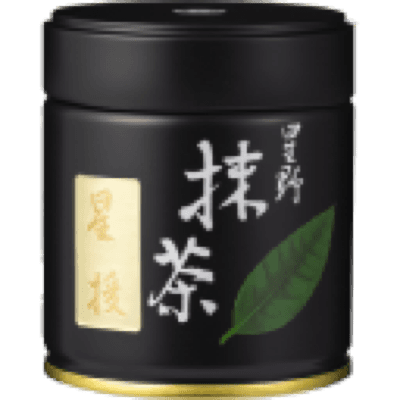
Hoshino
Yame Matcha from Hoshino Village Since 1946
Hoshino Seichaen is a tea producer in Hoshino Village, Yame, Fukuoka, founded in 1946. In 1989 it built Kyushu's first full-scale tencha factory, with 50 stone mills, and it grows its matcha leaf with the shading methods behind its award-winning gyokuro. Its eight 20 g matcha grades run from Yame-no-Hana (¥1,080) to the koicha Hoju (¥4,320), including tax, on prices revised in July 2026.
Join the community to hear about Hoshino restocks
The Story of Hoshino
Hoshino Seichaen was founded in 1946 in Hoshino Village, a hill community of about 3,500 people in the Yame district of Fukuoka that has grown tea for more than six centuries. It began growing and processing tea in 1947 and moved into finishing and wholesale in 1951. Its gyokuro won first-class prizes at Japan's national tea fair in 1981 and 1983. In 1989 it completed the first full-scale tencha (matcha base-leaf) factory in Kyushu, with 50 stone mills, and it added a two-line tencha plant in 2007 and another 50 stone mills in 2009. Several tea-ceremony schools, including Urasenke and Omotesenke, have given the house named blends. Its Yame traditional hon-gyokuro won the agriculture minister's prize at the 2016 Japanese Tea Award. The company holds ISO 9001, ISO 22000 and Organic JAS certification and employs 42 people.
Traditional Craftsmanship
Hoshino Seichaen grows its matcha leaf with the shading methods it uses for gyokuro, and says that is what makes its matcha unusually fragrant and rich. Its Seiho grade is made with the traditional hon-gyokuro method of naturally grown bushes, straw shading and hand-picking. The company credits that method for the grade's distinctive toasty aroma. The leaf is stone-milled in-house, and since 2015 the company has used particle-size and colour-measuring instruments for quality control. Every tin is packed with an oxygen absorber to keep the freshly milled aroma.
Flavor Profile & Tasting Notes
Expect a toasty, highly fragrant bowl rather than the brothy umami of a top Uji koicha. Hoshino describes its standard usucha, Hoshi-no-Tsuyu, as toasty and deep with refined sweetness and gentle astringency. Its premium usucha, Ike-no-Shiro, is fragrant and roasty. At the top, Seiju has deep umami, sweetness and an elegant aroma, and Hoju is made from the year's best leaf, hand-sorted. The limited Hakuju uses an unshaded white-leaf cultivar and tastes creamy and mellow, with a pale, almost platinum-green colour.
Optimal Preparation
For best results, use 1.5-2g of matcha with 70-80ml of 175°F (80°C) water. Whisk vigorously in a "W" or "M" motion for 15-20 seconds until a fine foam forms. The quality of Hoshino matcha produces excellent foam and reveals its full flavor complexity.
Why Track Hoshino?
Every matcha grade sold out on 1 Oct 2026
Top grade Hoju capped at 3 tins per order
Koicha for less per gram than mid-range Uji grades
Japanese-only official store, so importer stock matters
Availability & Purchasing
Limited Availability
Hoshino products frequently sell out within hours of restocking. Join the community to hear when your favorite varieties become available again.
Hoshino Seichaen sells direct only through its Japanese-language online shop. When we checked on 1 October 2026, every matcha grade there was sold out, and Hoju is limited to three tins per order. Prices were revised in July 2026: ¥1,080 for Yame-no-Hana, ¥1,620 for Hoshi-no-Tsuyu, ¥2,268 for Seiho, ¥2,700 for Seiju and ¥4,320 for Hoju, per 20 g including tax. Most overseas buyers go through importers such as MatchaJP, which set their own prices and sometimes rank grades differently, so check the Japanese name on the tin.
Restock Updates
Get a real-time alert the moment Hoshino stock changes — no need to keep checking manually.
Set Up Restock Alerts (Discord community via Whop, opens in a new tab)Learn More About Matcha Alert Club
Frequently Asked Questions
More on Hoshino
- →Hoshino Seichaen Matcha Grades: Every Yame Tin, Ranked (2026)
- →Hoshino Seichaen Matcha: Yame Grades and Where to Buy (2026)
- →Hoshino vs Ippodo Matcha: Yame Value or Kyoto Classic? (2026)
- →Matcha Shortage 2026: Why Ceremonial Matcha Is Sold Out & How to Get It
- →When Does Premium Matcha Restock? (2026) — What Each Brand Says
- →How to Brew Uji Matcha Perfectly: A Step-by-Step Ceremonial Guide
- →The Complete History of Uji Matcha: 800 Years of Japan's Most Prestigious Tea
Explore More Premium Matcha Brands
Ippodo Tea
Premium Kyoto Matcha Since 1717
Ippodo Tea has been crafting premium matcha in Kyoto since 1717, making them one of Japan's most respected tea houses. Their ceremonial-grade matcha is highly sought after by tea enthusiasts worldwide, with grades ranging from everyday usucha to premium koicha varieties.
Learn More
Marukyu Koyamaen
Historic Uji Tea Producer Since 1704
Marukyu Koyamaen is a historic Uji tea producer established in 1704, renowned for their exceptional ceremonial matcha. As purveyors to major tea ceremony schools, their matcha represents the pinnacle of Japanese tea craftsmanship.
Learn More
Yamamasa Koyamaen
Traditional Uji Matcha Craftsmanship
Yamamasa Koyamaen continues the tradition of Uji matcha production with meticulous attention to quality. Their matcha is cultivated using traditional methods, resulting in vibrant color and rich umami flavor.
Learn MoreNever Miss Hoshino Restocks
Popular Hoshino varieties often sell out within hours of coming back in stock. Join the Discord for real-time alerts, or create a free account to set up your own alert rules.