
Hoshino vs Ippodo Matcha: Yame Value or Kyoto Classic? (2026)
Hoshino Seichaen (Yame) tops out at ¥200/g; Ippodo (Kyoto) runs to ¥750/g. How the two compare on taste, price per gram, koicha and availability.
Restocks sell out in minutes — get the alert in Discord.
Join DiscordIppodo is the Kyoto name most matcha drinkers already know. Hoshino Seichaen is a Yame producer that Japanese tea people know mainly for gyokuro. Comparing them is really comparing two regions and two price structures. This post uses each house's own price list and descriptions to show where Hoshino is the better buy, and where Ippodo's higher ceiling is worth the money. We track both brands for restocks at Matcha Alert Club.
Is Hoshino or Ippodo better?
Neither is better across the board. Ippodo, founded in Kyoto in 1717, makes the classic deep-umami Kyoto style and has two koicha grades, Kuon and Kanza, above anything Hoshino sells. Hoshino Seichaen, founded in Hoshino Village, Yame, in 1946, makes a toastier, more fragrant matcha. It is much cheaper in the middle and upper grades. Its best koicha costs less per gram than Ippodo's mid-range Ummon-no-mukashi. Choose Ippodo for the top end and easy ordering in English. Choose Hoshino when value per gram matters most.
| At a glance | Hoshino Seichaen | Ippodo |
|---|---|---|
| Founded | 1946, Hoshino Village, Yame, Fukuoka | 1717, Kyoto |
| Year-round 20 g grades | Eight (incl. limited Hakuju) | Nine |
| Price per gram, before tax | ¥50 to ¥200 (July 2026 prices) | ¥40 to ¥750 (from 1 Oct 2026) |
| Best first tin | Hoshi-no-Tsuyu, ¥75/g | Ikuyo-no-mukashi, ¥70/g |
| Cheapest koicha grade | Seiho, ¥105/g | Shoin-no-mukashi, ¥200/g (our pick) |
| House style | Toasty, highly fragrant, rich | Deep umami, sweet, classic Kyoto |
| Buying outside Japan | Japanese-only store; via importers | Own English global store |
How do the prices compare per gram?
At the bottom of the range the two are almost identical, and higher up they split sharply. All figures are before tax. Hoshino's 20 g tins run from ¥50 to ¥200 per gram on its July 2026 price list. Ippodo's 20 g boxes run from ¥40 to ¥750 per gram on the list that took effect on 1 October 2026. Hoshino's flagship Hoju costs ¥200 per gram, which buys you only Shoin-no-mukashi, the middle of Ippodo's rich band. The comparison below matches each house's grade to what you actually want to make.
| Use case | Hoshino Seichaen pick | Ippodo pick | Who wins |
|---|---|---|---|
| First tin of real matcha | Hoshi-no-Tsuyu, ¥75/g | Ikuyo-no-mukashi, ¥70/g | Tie on price; Ippodo is easier to order abroad |
| Richer everyday usucha | Ike-no-Shiro, ¥90/g | Sayaka-no-mukashi, ¥140/g | Hoshino on value |
| Koicha on a budget | Seiho, ¥105/g | Shoin-no-mukashi, ¥200/g | Hoshino, at about half the price per gram |
| Top-end koicha | Hoju, ¥200/g | Kanza, ¥750/g | Ippodo has the higher ceiling |
| Lattes and baking | Yame-no-Hana, ¥50/g | Hatsu-mukashi, ¥40/g | Ippodo, slightly cheaper and boxed |
Hoshi-no-Tsuyu vs Ikuyo-no-mukashi
The first-tin decision: same price, different style
These are the grades each house steers newcomers to, and they cost almost the same per gram. Hoshino describes Hoshi-no-Tsuyu as toasty and deep with gentle astringency. Ippodo describes Ikuyo-no-mukashi as refined, mild and refreshing. If you like a roasty aroma, start with Hoshino. If you want a clean, mild bowl that also works in a latte, start with Ippodo.
Seiho vs Shoin-no-mukashi
Hoshino wins koicha on value
Seiho is Hoshino's cheapest grade for koicha, made with the traditional hon-gyokuro method of straw shading and hand-picking, at ¥105 per gram. Shoin-no-mukashi, which Ippodo describes as sweet, full-bodied and velvety, is the cheapest Ippodo grade we would make thick, at ¥200 per gram. For someone learning koicha, Seiho roughly halves the cost of practice.
Hoju vs Kanza
Ippodo has the higher ceiling
Hoju is the top of Hoshino's range: the year's best leaf, hand-sorted and limited to three tins per order, at ¥4,320 for 20 g including tax. Kanza is Ippodo's flagship, made to be drunk as koicha, at ¥15,000 for 20 g before tax. These are not the same product category on price. Kanza and Kuon belong to a tier that Hoshino simply does not sell.
Availability
Neither is easy right now
On 1 October 2026 every matcha on both official stores showed as sold out. Ippodo at least sells in English and ships worldwide when stock lands. Hoshino's store is Japanese-only, so most overseas buyers depend on importers' re-listings. Whichever you pick, plan around restocks rather than expecting to order on demand.
How do Yame and Kyoto matcha taste different?
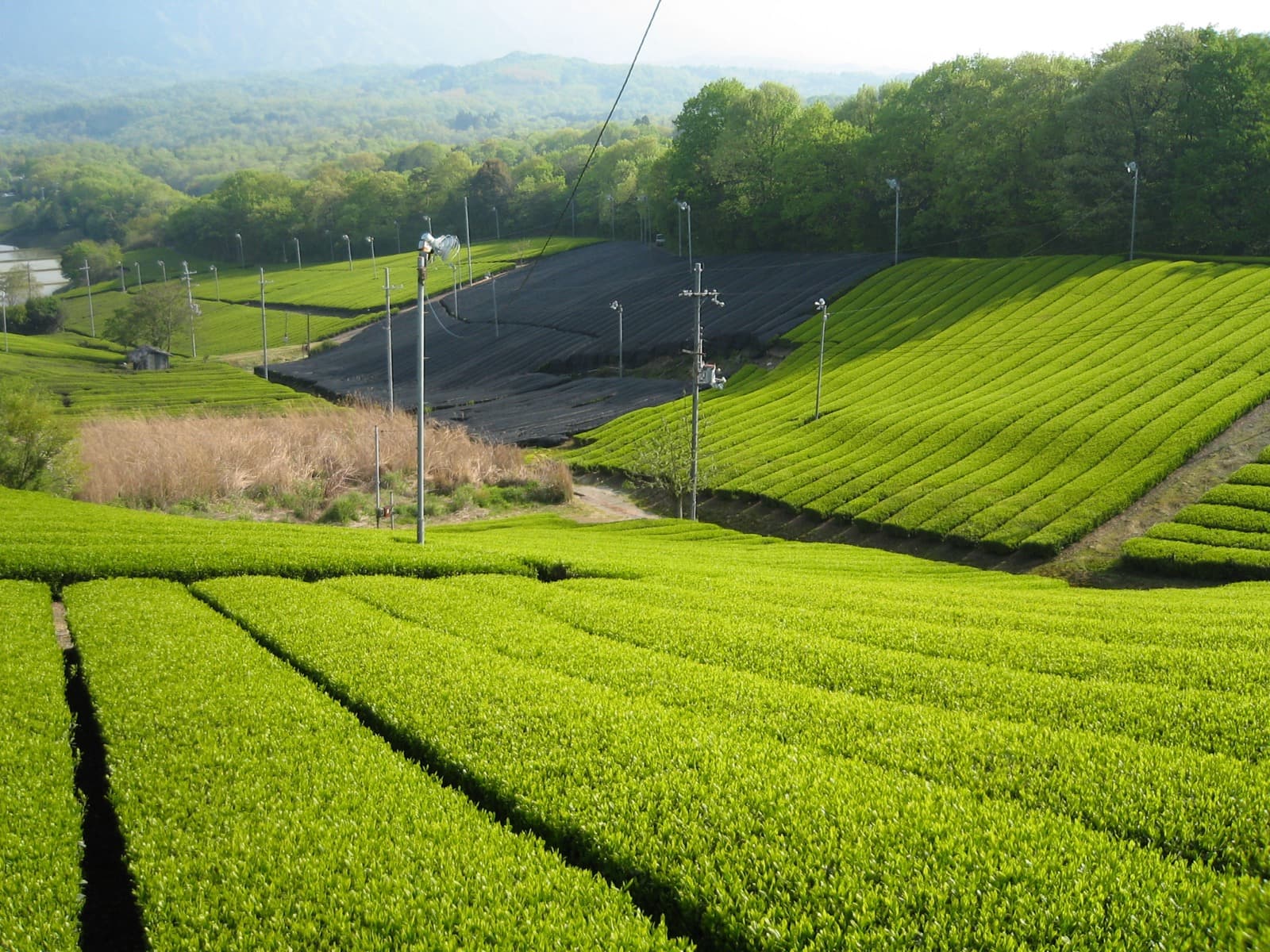
Hoshino grows its matcha leaf with the shading methods it uses for gyokuro. It describes the result as highly fragrant and rich, and credits traditional straw shading for the toasty aroma of grades like Seiho. Ippodo's own notes for its rich grades use words like umami, sweetness, velvety and full-bodied. Long-time TeaChat members describe Yame teas as fresher and more distinctive in style than Uji teas. One TeaChat member described Ippodo's top usucha as complex, earthy and sweet. If you prefer an aromatic, roasty bowl, choose Hoshino. If you want brothy umami, choose Ippodo.
Which is easier to buy outside Japan?
Ippodo, by a distance, when it has stock. It runs an English-language global store that ships worldwide. Hoshino Seichaen's official shop is Japanese-only, so most overseas buyers rely on importers. Those importers set their own prices and sometimes rank the grades differently from the producer. Right now neither is easy, though. On 1 October 2026 every matcha grade on both official stores was sold out, and Hoshino caps its top grade at three tins per order. For either brand, plan around restocks rather than ordering on demand.
Sources
- Hoshino Seichaen official store: matcha category (July 2026 prices; checked 1 October 2026)
- Hoshino Seichaen: company profile and history (Japanese)
- Ippodo Global: matcha collection (checked 1 October 2026)
- Ippodo: Oct./Nov. 2026 revisions to product specifications and pricing
- Tea Journey: Hoshino Village's Tea Culture Museum (October 2019)
- TeaChat: Uji, Yame and Shizuoka — tastes different? (forum thread, 2009)
- TeaChat: Matcha comparison (forum thread, 2009)
For grade-by-grade detail, see Ippodo matcha grades explained and Hoshino Seichaen matcha grades explained.
FAQ
Is Hoshino matcha as good as Ippodo?
For most everyday drinking, yes, in a different style. Hoshino Seichaen grows its matcha leaf with gyokuro shading methods in Yame, a region that wins national awards mainly for gyokuro, and its tins taste toasty and fragrant. Ippodo's Kyoto blends lean toward deep umami and sweetness. Ippodo has the higher ceiling, with Kuon and Kanza priced well above anything Hoshino sells.
Is Hoshino cheaper than Ippodo?
At the entry level they cost about the same: ¥75 per gram for Hoshi-no-Tsuyu and ¥70 for Ikuyo-no-mukashi, both before tax. From the middle of the range up, Hoshino is clearly cheaper. Its best koicha, Hoju, costs ¥200 per gram, less than Ippodo's mid-ladder Ummon-no-mukashi at ¥250. Importer prices for Hoshino will be higher than these domestic figures.
Which is better for koicha, Hoshino or Ippodo?
Hoshino for value, Ippodo for the very top. Hoshino recommends three grades for koicha (Hoju, Seiju and Seiho), and the cheapest costs ¥105 per gram. Ippodo's realistic koicha grades start at Shoin-no-mukashi, ¥200 per gram, and run up to Kanza at ¥750. If you are practising koicha regularly, Hoshino makes it far more affordable.
Why are both Hoshino and Ippodo sold out?
Global demand for Japanese matcha has outrun supply since 2024, and newly planted tea fields take years to produce a harvest. Both houses raised prices in 2026, Hoshino in July and Ippodo on 1 October, and both had their full matcha range sold out when we checked on 1 October 2026. Restocks come in batches, so stock alerts are the practical way to buy.
Never miss a Hoshino Seichaen or Ippodo restock
Join the free Discord community and get an instant alert the moment your grade is back — or sign up to browse live stock across every major Japanese tea house.
Hoshino — full brand guide, grade breakdown & current stock status →
Sources
- https://www.hoshitea.com/shop/products/list?category_id=40025
- https://www.hoshitea.com/company/
- https://global.ippodo-tea.co.jp/collections/matcha
- https://global.ippodo-tea.co.jp/blogs/news/20260901
- https://teajourney.pub/destinations-hoshino-villages-tea-culture-museum/
- https://www.teachat.com/viewtopic.php?t=10069&start=15
- https://www.teachat.com/viewtopic.php?t=9086