
Marukyu Koyamaen vs Horii Shichimeien: Which Uji House to Buy (2026)
Marukyu Koyamaen (1704, Uji tea-school supplier) vs Horii Shichimeien (1879, sole heir to the historic Uji Shichimeien): grades, prices, which to buy.
Restocks sell out in minutes — get the alert in Discord.
Join DiscordMarukyu Koyamaen and Horii Shichimeien are both real, centuries-spanning Uji tea houses, and neither one is a marketing-only "heritage" brand. The difference is what that heritage actually is: one is a large classical house with the deepest grade ladder in Uji and a standing role supplying the tea-ceremony schools, the other is a smaller, fully vertically integrated grower-processor built around a single historic garden. Here is how the two compare on history, grades, price and where you can actually buy them.
Is Marukyu Koyamaen or Horii Shichimeien better?
Neither is strictly better; they represent different kinds of pedigree. Marukyu Koyamaen's business dates to the Genroku era, between 1688 and 1704, when founder Koyama Kyujiro began growing and processing tea in Uji, and the house has served as an official supplier to the Urasenke and Omotesenke tea-ceremony schools — the two largest schools of Japanese tea ceremony — for generations. Horii Shichimeien's business dates to 1879 and owns Okunoyama, the sole surviving garden of the seven historic "Uji Shichimeien" plantations designated centuries earlier under the Ashikaga Shogunate, and it handles cultivation through stone-grinding entirely in-house. Pick Marukyu Koyamaen for range and tea-school pedigree, Horii Shichimeien for a single-estate story you cannot get anywhere else.
| At a glance | Marukyu Koyamaen | Horii Shichimeien |
|---|---|---|
| Founded | 1704 (Genroku era), Uji, Kyoto | 1879 (Meiji 12), Uji, Kyoto |
| House style | Classical tea-ceremony house; wide, deep grade ladder | Single-estate identity built around one historic garden |
| Entry ceremonial price | ~$0.54/g (Aoarashi) | ~$0.55-0.57/g (Uji Mukashi) |
| Top-tier price | ~$10.80/g (Tenju) | ~$6/g at the top of the lineup |
| Notable garden/heritage claim | Official supplier to Urasenke and Omotesenke iemoto | Owns Okunoyama, sole survivor of the Uji Shichimeien |
| Buying outside Japan | Global store plus importers; premium grades sell out fast | Own global store, plus Sazen Tea, Kanso Tea, Ujicha Matcha |
How do the grades and prices line up?
Marukyu Koyamaen runs an unusually long ladder: Aoarashi and Isuzu near the bottom (roughly $0.54-0.65 per gram at Sazen Tea as of September 2026), Wako as the flagship usucha (~$1.19-1.24/g), then Kinrin (~$1.51-1.57/g), Unkaku (~$1.89-1.94/g), Choan (~$3.70-3.81/g), Kiwami Choan (~$6.64-6.75/g), and finally Tenju — its "gift from heaven" grade — at roughly $10.80 per gram. Horii Shichimeien's 12-blend lineup is narrower but still wide, from Uji Mukashi at about $0.55-0.57 per gram up to top single-origin blends, such as the Okunoyama-garden matcha, that reach toward $6 per gram. Matched up by what each grade is actually for, the two houses trade wins:
| Use case | Marukyu Koyamaen pick | Horii Shichimeien pick | Who wins |
|---|---|---|---|
| First ceremonial tin (whisked with water) | Aoarashi — bright, grassy, ~$0.54/g | Uji Mukashi — clean, mild, ~$0.55-0.57/g | Tie — nearly identical entry price |
| Flagship everyday usucha | Wako — elegant, low bitterness, ~$1.19-1.24/g | A mid-tier blend from the 12-item lineup, roughly $1-2/g | Marukyu Koyamaen — Wako is a named benchmark grade |
| Single-origin, single-garden matcha | Aoarashi and Wako are its two single-cultivar grades | Matcha Okunoyama — grown only on the historic Okunoyama garden | Horii Shichimeien — the more singular provenance story |
| Top-tier koicha / gifting | Tenju (~$10.80/g) or Kiwami Choan (~$6.64-6.75/g) | Top single-origin blends, up to roughly $6/g | Marukyu Koyamaen — the higher ceiling, if you want to spend |
| Buying reliably outside Japan | Own store plus Sazen Tea, Nara Tea Co and others | Own store plus Sazen Tea, Kanso Tea, Ujicha Matcha | Tie — both ship internationally through multiple channels |
Rule of thumb: entry grades are priced within a few cents of each other. Above that, Marukyu Koyamaen keeps climbing further — Tenju, at roughly $10.80/g, is the single most expensive matcha either house sells.
Which specific tins should you compare?
Most people are not really choosing between two brands, they are choosing between two tins at a similar price and use case. Start at the entry grades — Aoarashi against Uji Mukashi — before moving to a single-garden or top-tier pick, since the two houses' ladders do not line up rung for rung by name or by price. These are the head-to-heads that come up most when people are deciding between the two:
Marukyu Koyamaen Aoarashi vs Horii Shichimeien Uji Mukashi
The real entry-level decision — near-identical price, different character
Both are the cheapest ceremonial-grade matcha each house sells, and they land within a few cents of each other: Aoarashi runs about $0.54 per gram at Sazen Tea, and Uji Mukashi about $0.55-0.57 per gram direct from Horii Shichimeien. Aoarashi is Marukyu Koyamaen's deliberately bold, grassy single-cultivar grade, built to hold up in lattes and iced drinks. Uji Mukashi is a cleaner, milder blend, a gentler entry into whisked usucha. Pick Aoarashi if most of your matcha goes into milk; pick Uji Mukashi for a softer straight bowl.
Marukyu Koyamaen Wako vs Horii Matcha Okunoyama
Provenance vs. pedigree — a single garden against a tea-school benchmark
Wako is Marukyu Koyamaen's highest-grade usucha, prized for elegance and almost no bitterness, priced around $1.19-1.24 per gram, and the house has supplied it to the Urasenke and Omotesenke tea schools for generations. Matcha Okunoyama is Horii Shichimeien's single-cultivar matcha grown exclusively on the Okunoyama garden, the sole survivor of the seven historic Uji Shichimeien plantations, priced around $1.55 per gram at recent exchange rates. Wako is the more widely benchmarked cup; Okunoyama is the more singular one, tied to one specific plot of land.
Marukyu Koyamaen Tenju/Kiwami Choan vs Horii Shichimeien top blends
For the very top of the range, Marukyu Koyamaen goes higher
Horii Shichimeien's 12-blend lineup tops out around $6 per gram at its rarest single-origin matcha. Marukyu Koyamaen's ladder keeps climbing past that: Kiwami Choan runs roughly $6.64-6.75 per gram, and Tenju, the house's "gift from heaven" flagship, reaches about $10.80 per gram. If you want the single most expensive tin either house sells, that is Marukyu Koyamaen Tenju; if $6 per gram already feels like the ceiling, Horii's top blends cover the same rarefied territory for less.
Availability: Marukyu Koyamaen vs Horii Shichimeien
Both ship internationally; Marukyu Koyamaen premium grades sell out faster
Horii Shichimeien ships internationally from its own official store, and specialty importers such as Sazen Tea, Kanso Tea and Ujicha Matcha carry individual blends. Marukyu Koyamaen also ships from its own store and through importers like Sazen Tea and Nara Tea Co, but its higher grades — Choan, Kiwami Choan and Tenju especially — tend to sell through restocks faster given the house's status with the tea-ceremony schools. For a tin you can reliably reorder, start at each house's entry or mid grades.
What makes each house's history distinct?
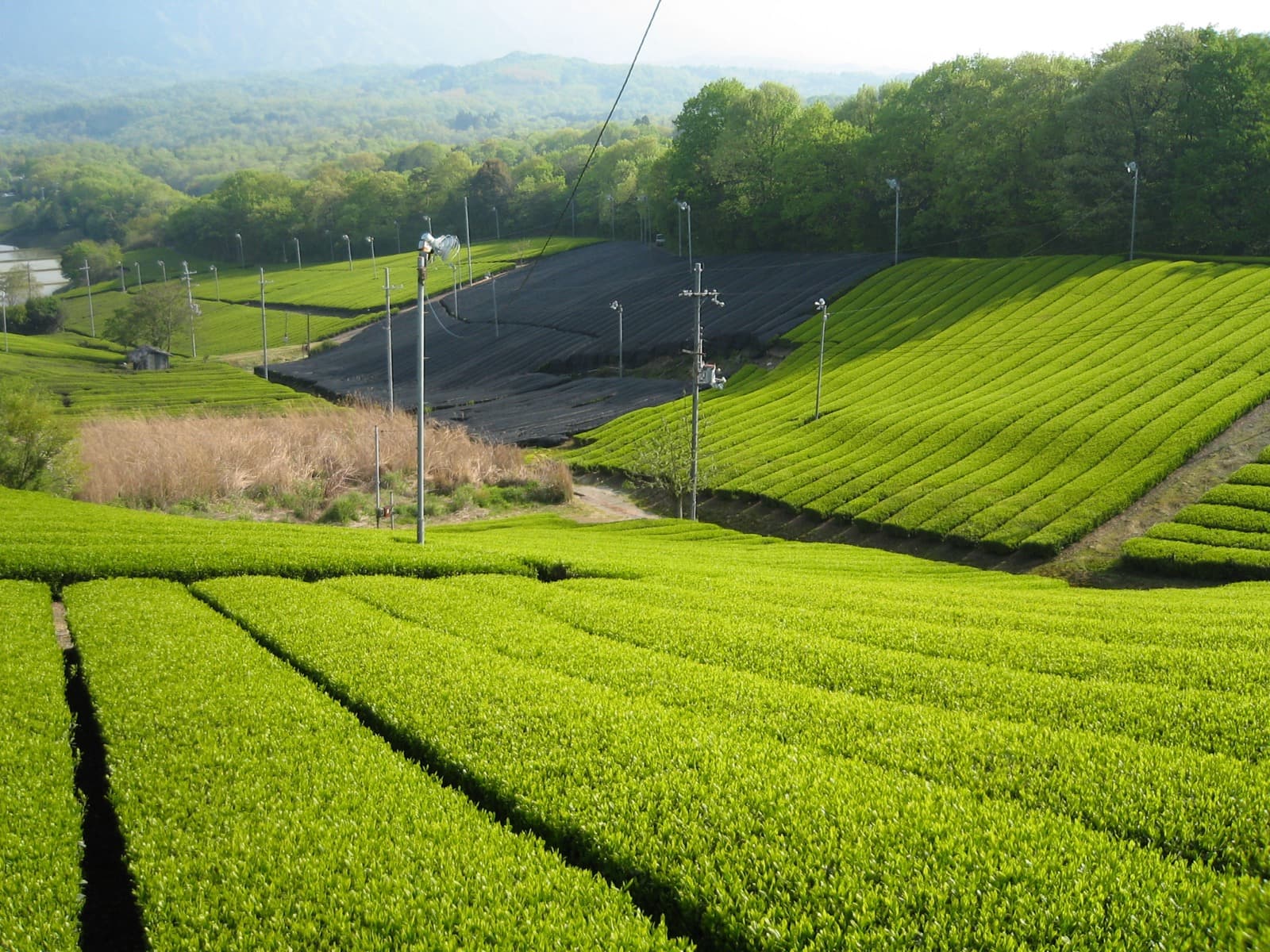
Marukyu Koyamaen's prestige comes from institutional continuity: over 320 years in business, now on its eighth generation, and a standing role as official supplier to the Urasenke and Omotesenke iemoto tea-ceremony families, which between them represent the majority of tea-ceremony practitioners in Japan. Horii Shichimeien's prestige is geographic and singular: its Okunoyama Tea Garden is the only one of the original seven Uji Shichimeien plantations still under cultivation, acquired and protected by the Horii family since the Meiji period, and the company's third-generation owner invented a prototype tencha-drying machine in 1924 that shaped how much of Japan still processes tencha today.
Where should you buy each one?
Both brands ship internationally through their own official stores, so neither requires going through a reseller for an authentic tin. Horii Shichimeien is also carried by specialty importers including Sazen Tea, Kanso Tea and Ujicha Matcha, while Marukyu Koyamaen is carried by Sazen Tea, Nara Tea Co and other established Uji specialists. The practical difference shows up at the top of each ladder: Marukyu Koyamaen's premium grades — Choan, Kiwami Choan and Tenju — sell out on restock faster than its entry grades, so treat a restock alert as necessary rather than optional if you want one of those specific tins.
Sources
- Marukyu Koyamaen — official history of tea
- Sazen Tea — Marukyu Koyamaen matcha collection and pricing
- Horii Shichimeien — official company history
- Horii Shichimeien — Uji Mukashi matcha product page
- Japanese Tea Pedia — Marukyu Koyamaen chasho profile
- Chaba & Co. — the history of Horii Shichimeien
FAQ
Is Marukyu Koyamaen or Horii Shichimeien better?
Neither is objectively better; both are legitimate, long-established Uji houses. Marukyu Koyamaen, founded in 1704, is an official supplier to the Urasenke and Omotesenke tea-ceremony schools and runs the deepest grade ladder of the two, up to roughly $10.80 per gram at Tenju. Horii Shichimeien, founded in 1879, offers a more singular story: it owns Okunoyama, the only survivor of the seven historic Uji Shichimeien gardens, and is fully vertically integrated in-house.
Which house is older?
Marukyu Koyamaen, by about 175 years. Its business dates to the Genroku era, between 1688 and 1704, when founder Koyama Kyujiro began growing and processing tea in Uji. Horii Shichimeien's business was first publicly recorded in 1879. Horii Shichimeien's Okunoyama garden itself is older still, tracing back to the Muromachi-period Uji Shichimeien designation, but the company as a business is the younger of the two.
Which is cheaper at the entry level?
They are essentially tied. Marukyu Koyamaen's Aoarashi runs about $0.54 per gram at Sazen Tea, and Horii Shichimeien's Uji Mukashi costs roughly $0.55-0.57 per gram direct from the brand's own store. At that price point the decision comes down to house style rather than cost: Aoarashi is bolder and grassier, Uji Mukashi is milder and cleaner.
What is the Uji Shichimeien, and does Marukyu Koyamaen have anything similar?
The Uji Shichimeien, or "Seven Famous Tea Gardens of Uji," were seven plantations designated during the Muromachi period after the Ashikaga shoguns took a liking to Uji tea. Six disappeared to urbanization over the centuries; Horii Shichimeien's Okunoyama is the only one still cultivated. Marukyu Koyamaen has no equivalent single-garden claim — instead its prestige rests on being an official supplier to the Urasenke and Omotesenke tea-ceremony schools since generations back.
Where can I buy each brand outside Japan?
Both ship internationally from their own official stores. Horii Shichimeien is also carried by Sazen Tea, Kanso Tea and Ujicha Matcha; Marukyu Koyamaen is carried by Sazen Tea, Nara Tea Co and other specialty importers. Marukyu Koyamaen's premium grades — Choan, Kiwami Choan and Tenju — tend to sell out faster on restock than its entry grades, so a restock alert is worth setting for those specifically.
Never miss a Marukyu Koyamaen or Horii Shichimeien restock
Join the free Discord community and get an instant alert the moment your grade is back — or sign up to browse live stock across every major Japanese tea house.
Marukyu Koyamaen — full brand guide, grade breakdown & current stock status →
Sources
- https://www.marukyu-koyamaen.co.jp/english/about-tea/know-history.html
- https://www.sazentea.com/en/products/c24-marukyu-koyamaen-matcha
- https://horiishichimeien.com/en/pages/story3
- https://horiishichimeien.com/en-sb/products/matcha-ujimukashi
- https://japanesetea.sg/japanese-tea-pedia/chasho/marukyu-koyamaen/
- https://chabatea.com/blogs/tea-leaves-blog/the-history-of-horii-shichimeien