
Marukyu Koyamaen vs Yamamasa Koyamaen: Which Uji Matcha?
Marukyu Koyamaen and Yamamasa Koyamaen are unrelated Uji houses that share a name — compare grades, prices, and Yamamasa's single-cultivar Samidori.
Restocks sell out in minutes — get the alert in Discord.
Join DiscordAre Marukyu Koyamaen and Yamamasa Koyamaen the same company?
They are not. This is the single most common point of confusion in Uji matcha, and it is understandable: both names end in "Koyamaen," both houses are based around Ogura in the Uji tea district of Kyoto, and both trace back generations. The overlap is a coincidence of surname, not ownership. Marukyu Koyamaen was founded around 1704 by Kyujiro Koyama; Yamamasa Koyamaen was formally founded in 1861 by Masajiro Koyama, a different family entirely. "Koyamaen" roughly translates to "Koyama's garden," so any tea house started by a grower surnamed Koyama could plausibly use it. Always check for the full brand name — "Marukyu Koyamaen" or "Yamamasa Koyamaen" — before buying, since the two run completely separate product lines, pricing, and grade names.
| At a glance | Marukyu Koyamaen | Yamamasa Koyamaen |
|---|---|---|
| Founded | 1704 (Genroku era), Ogura, Uji by Kyujiro Koyama | 1861, Ogura, Uji by Masajiro Koyama |
| House style | Broad ladder, mellow and umami-led; long-time tea-school supplier | Wholesaler-rooted, single-cultivar specialist; no direct Japan retail |
| Notable cultivar/grades | Aoarashi, Wako, Kinrin, Unkaku, Choan, Tenju | Samidori (own cultivar), Matsukaze, Ogurayama, Chajyu no Mukashi |
| Entry ceremonial price | ~$0.54/g (Aoarashi, 40g tin) | ~$0.47/g (Matsukaze, 30g tin) |
| Buying outside Japan | Own global store plus importers; 2026 shortages paused some resellers | No direct-to-consumer sales in Japan; sold via ~1,000+ retailers and importers |
How do their histories and house styles differ?
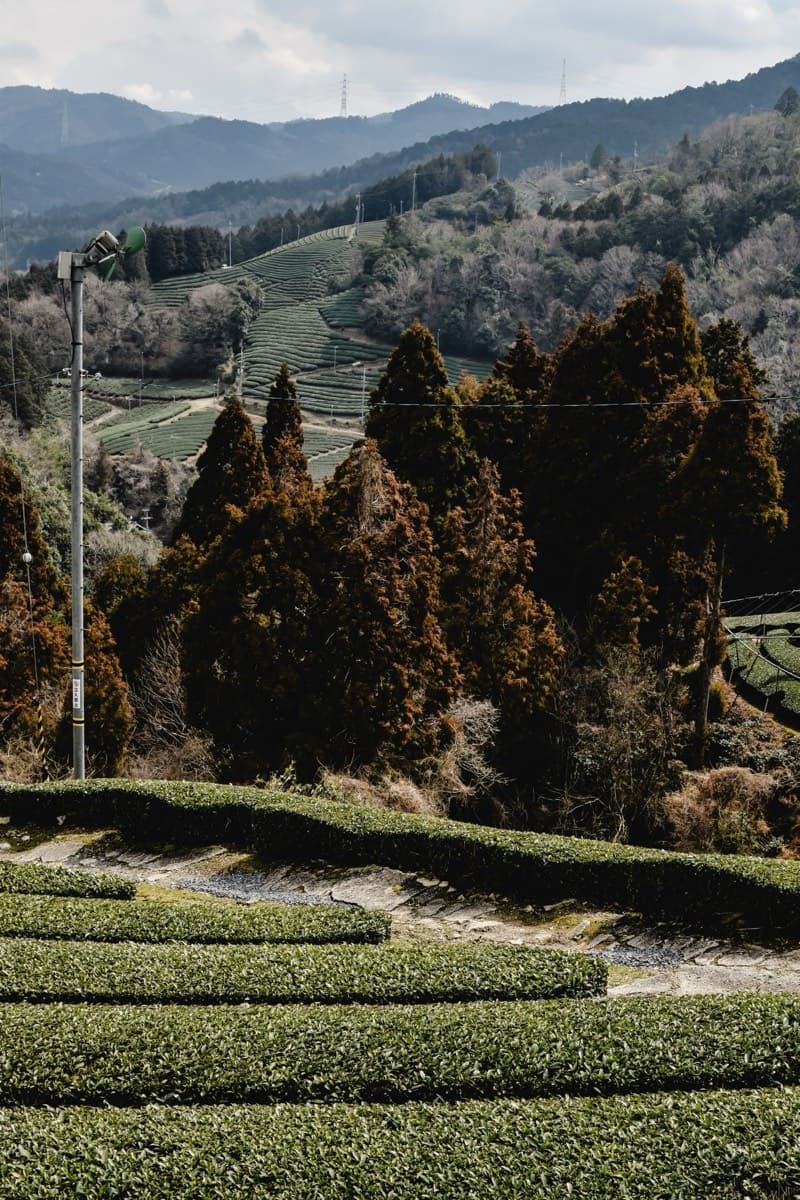
Marukyu Koyamaen is the larger and more internationally recognized of the two, with a documented history stretching back to the Genroku era around 1704 and over 320 years of production in Uji. It has long supplied matcha to tea-ceremony schools, shrines, and first-class hotels, and its house style trends mellow: umami and natural sweetness lead over grassiness or bitterness. Yamamasa Koyamaen's roots reach into the early Edo period too, with commercial sales formalized in 1861. It has historically operated as a wholesaler rather than a consumer-facing brand, supplying over a thousand Japanese tea retailers, and its reputation rests on meticulous cultivation and stone-milling plus its own Samidori, Asahi, and Komakage cultivars, developed by the third-generation head in the 1930s and 1940s.
How do their grades and prices compare?
Marukyu Koyamaen runs an eleven-plus-grade ladder from Aoarashi at the approachable end (around $0.54/g on Sazen Tea as of September 2026) through Isuzu, Chigi no Shiro, Yugen, Wako, Kinrin, Unkaku, and Eiju, up to Choan and the flagship koicha Tenju at roughly $10.80/g. Yamamasa Koyamaen's ladder runs from Matsukaze (~$0.47/g) and its single-cultivar Samidori (~$0.58/g) through Yomo no Kaori, Ogurayama, Shikibu no Mukashi, Senjin no Mukashi, Tennouzan, Seiun, and Kaguraden, topping out at Kasuga no Mukashi and Chajyu no Mukashi around $5.40/g — notably cheaper at the top than Marukyu Koyamaen's Tenju. Matched by intended use rather than name, here is how the two stack up:
| Use case | Marukyu Koyamaen pick | Yamamasa Koyamaen pick | Who wins |
|---|---|---|---|
| Your first tin of real Uji matcha | Aoarashi — grassy, brisk, ~$0.54/g | Matsukaze — soft, mellow, ~$0.47/g | Yamamasa Koyamaen — cheaper and gentler for a first bowl |
| Everyday whisked usucha | Wako — refined, low bitterness, ~$1.24/g | Samidori — naturally sweet, single-cultivar, ~$0.58/g | Tie — Wako for polish, Samidori for value and cultivar clarity |
| Matcha lattes and iced drinks | Aoarashi or Isuzu — built to cut through milk | Matsukaze or Yomo no Kaori — milder under milk | Marukyu Koyamaen — bred for boldness in milk |
| Koicha (thick tea) | Unkaku (~$1.94/g) up to Tenju (~$10.80/g) | Senjin no Mukashi (~$1.30/g) up to Chajyu no Mukashi (~$5.40/g) | Marukyu Koyamaen — the longer, more famous koicha ladder |
| Single-cultivar purity | Most grades are blended across cultivars | Samidori is one cultivar start to finish | Yamamasa Koyamaen — this is its specialty |
Which specific tins should you compare?
Most shoppers are really deciding between two specific tins, not two whole brands, so it helps to compare grade-for-grade at a similar price point rather than by name — the two ladders share no naming convention at all. Start at the entry tier and only climb if you want more depth or a thicker preparation. These are the head-to-head calls that come up most often between the two houses:
Aoarashi vs Matsukaze
The entry-level call — boldness vs gentleness
Both are the cheapest ceremonial-grade tin from each house, priced within a few cents of each other per gram on Sazen Tea (Aoarashi ~$0.54/g, Matsukaze ~$0.47/g as of Sept 2026). Aoarashi is deliberately punchy and grassy, built to stay legible under milk. Matsukaze is softer and rounder, an easier first bowl of straight usucha. Start with Matsukaze if you are new to whisking; reach for Aoarashi if the matcha is mostly going into a latte.
Wako vs Samidori
Marukyu's polish vs Yamamasa's cultivar purity
Wako is Marukyu Koyamaen's benchmark mid-tier usucha, blended for an elegant, almost bitterness-free cup at roughly $1.24/g. Samidori is Yamamasa Koyamaen's flagship expression of its own Samidori cultivar, naturally sweet with a soft umami, at about $0.58/g — noticeably cheaper for a comparably refined bowl. Choose Wako if you want Marukyu Koyamaen's house style specifically; choose Samidori if you want to taste one cultivar clearly and keep the price down.
Unkaku vs Senjin no Mukashi
Entry koicha, two ways
Unkaku is Marukyu Koyamaen's most popular entry koicha, soft and sweet at around $1.94/g. Senjin no Mukashi is Yamamasa Koyamaen's comparable tier, priced closer to $1.30/g. Both are genuinely thick-tea grades rather than upsold usucha, so either works for a first koicha bowl; Senjin no Mukashi is the better-value entry point if you just want to try thick tea before committing to the top of either ladder.
Tenju vs Chajyu no Mukashi
Flagship koicha: fame vs price
Tenju is Marukyu Koyamaen's award-winning pinnacle grade, priced around $10.80/g and widely cited as one of the best koicha matchas sold commercially. Chajyu no Mukashi tops Yamamasa Koyamaen's own ladder at roughly $5.40/g — still a serious ceremonial spend, but about half the price for a top-tier thick tea. Buy Tenju for the name and the reputation; buy Chajyu no Mukashi if you want comparable ceremony-grade depth for less.
What makes Yamamasa Koyamaen's Samidori different?
Samidori is worth calling out on its own because it is not a blend. Most ceremonial matcha, at both houses, mixes leaf from several cultivars and harvests to hit a consistent flavor target. Samidori is made entirely from the Samidori cultivar, a variety Yamamasa Koyamaen's own third-generation head helped cultivate and get recognized as a Kyoto Prefecture-recommended tea variety in the 1930s and 1940s. That single-cultivar approach shows up directly in the cup: a naturally sweet, softly umami matcha with very little astringency, moderately full-bodied, and priced around $0.58 per gram as of September 2026 — genuine cultivar transparency at a lower cost than most comparable Marukyu Koyamaen grades.
How should you store and buy either one?
Buy the smallest tin you will realistically finish within a few months, and check the milling or packing date if the retailer lists one, since matcha loses brightness and sweetness as it ages. Keep it sealed and refrigerated, away from light and strong odors, and let it come to room temperature before opening to avoid condensation inside the tin. On sourcing: Marukyu Koyamaen sells through its own global store plus importers, though 2026 shortages have led some resellers to pause ceremonial-grade stock. Yamamasa Koyamaen sells no matcha directly to consumers even in Japan, so outside Japan you are buying through a specialty importer such as Sazen Tea rather than the brand itself.
Sources
- Yamamasa Koyamaen — company history
- Sazen Tea — Marukyu Koyamaen matcha collection
- Sazen Tea — Yamamasa Koyamaen matcha collection
- Japanese Tea Pedia — Marukyu Koyamaen chasho profile
- Japanese Tea Pedia — Yamamasa Koyamaen chasho profile
FAQ
Are Marukyu Koyamaen and Yamamasa Koyamaen the same company?
No. They are two separate, unrelated Uji tea houses that happen to share "Koyamaen" (roughly "Koyama's garden") because both founders were named Koyama — Kyujiro Koyama at Marukyu, founded around 1704, and Masajiro Koyama at Yamamasa, formally founded in 1861. There is no shared ownership, and the two run entirely separate product lines, so always check for the full "Marukyu Koyamaen" or "Yamamasa Koyamaen" name when buying.
Which is better, Marukyu Koyamaen or Yamamasa Koyamaen?
Neither is objectively better; they serve different goals. Marukyu Koyamaen has the broader, more famous grade ladder and supplies major tea-ceremony schools, which suits shoppers who want lots of tiers to choose from. Yamamasa Koyamaen is smaller and leans into single-cultivar matcha, especially Samidori, which suits shoppers who want to taste one cultivar clearly at a lower price. Pick Marukyu Koyamaen for range, Yamamasa Koyamaen for cultivar focus and value.
What is special about Yamamasa Koyamaen's Samidori matcha?
Samidori is a single-cultivar matcha made entirely from the Samidori tea cultivar, one of the varieties Yamamasa Koyamaen's own third generation helped develop and evaluate in Uji in the 1930s and 1940s. Where most matcha blends several cultivars for balance, Samidori shows one variety's character directly: naturally sweet, softly umami, with almost no bitterness. At roughly $0.58/g it is also one of the better-value ceremonial-grade tins from either house.
Which is cheaper, Marukyu Koyamaen or Yamamasa Koyamaen?
At the entry tier they are close: Marukyu Koyamaen's Aoarashi runs about $0.54/g against Yamamasa Koyamaen's Matsukaze at roughly $0.47/g, based on Sazen Tea pricing as of September 2026. The gap widens higher up — Marukyu Koyamaen's flagship Tenju is about $10.80/g, roughly double Yamamasa Koyamaen's top grade, Chajyu no Mukashi, at about $5.40/g. Prices shift with exchange rates and stock levels, so treat these as approximate.
Can I buy Yamamasa Koyamaen matcha outside Japan?
Yes, though not directly from the company — Yamamasa Koyamaen does not sell to consumers even inside Japan, working instead through more than a thousand tea retailers. Outside Japan it reaches buyers through specialty importers such as Sazen Tea. Marukyu Koyamaen sells through its own global online store plus importers, though 2026 supply shortages have paused some resellers' stock of its ceremonial grades.
Never miss a Marukyu Koyamaen or Yamamasa Koyamaen restock
Join the free Discord community and get an instant alert the moment your grade is back — or sign up to browse live stock across every major Japanese tea house.
Yamamasa Koyamaen — full brand guide, grade breakdown & current stock status →
Sources
- https://www.yamamasa-koyamaen.co.jp/en/about/
- https://www.sazentea.com/en/products/c24-marukyu-koyamaen-matcha
- https://www.sazentea.com/en/products/c85-yamamasa-koyamaen-matcha
- https://japanesetea.sg/japanese-tea-pedia/chasho/marukyu-koyamaen/
- https://japanesetea.sg/japanese-tea-pedia/chasho/yamamasa-koyamaen/