
Ippodo vs Yamamasa Koyamaen: Which Matcha Should You Buy?
Ippodo is Kyoto's famous, best-distributed matcha house; Yamamasa Koyamaen is Uji's single-cultivar specialist behind Samidori. Here's how they compare.
Restocks sell out in minutes — get the alert in Discord.
Join DiscordIppodo and Yamamasa Koyamaen are both genuine Uji-area tea houses, but they sell fundamentally different things: Ippodo sells a consistent house blend built for reliability, and Yamamasa Koyamaen sells single-cultivar matchas built to show off one tea plant. Neither is "better" in the abstract - the right pick depends on what you're trying to taste, and how easily you can actually buy it from outside Japan.
Is Ippodo or Yamamasa Koyamaen better?
Neither wins outright. Ippodo has sold tea continuously since 1717, ships worldwide from its own global and US stores, and blends leaves across multiple gardens so a tin bought today tastes like one bought a year ago. Yamamasa Koyamaen, formally established in Ogura, Uji in 1861, does the opposite on purpose: it bottles single cultivars - most famously Samidori - so the character of one tea plant comes through instead of being smoothed into a house blend. Pick Ippodo for consistency and easy buying; pick Yamamasa Koyamaen for cultivar-driven flavor and accept a less direct buying process.
| At a glance | Ippodo | Yamamasa Koyamaen |
|---|---|---|
| Founded | 1717 (Kyoto, as Omiya; renamed Ippodo 1846) | 1861 (Ogura, Uji) |
| House style | Blended across gardens for a consistent, sweet house profile | Single-cultivar bottlings that showcase one tea plant |
| Signature product | Sayaka-no-mukashi, the entry ceremonial blend | Samidori, the cultivar the house helped select |
| Entry-tier price | ~$0.55-0.85/g (Wakaki, Sayaka) | ~$0.9-1.1/g (Samidori, 30g tins) |
| Typical shelf life | ~6 months, per house guidance | No published figure - finish within weeks of opening |
| Buying outside Japan | Own global + US store; some tins showed stockouts in 2026 | No direct overseas sales - only via authorized importers |
How do their house styles and grades differ?
Ippodo's public lineup runs from Wakaki-shiro (~$0.55/g) through Sayaka (~$0.85/g) and Kan (~$1.10/g) up to Ummon-no-Mukashi (~$2.25/g), Kuon (~$3.20/g) and Kanza (~$5.20/g) - a clear ladder, all blended for the same sweet, rounded house character at every tier. Yamamasa Koyamaen's own site lists its ceremonial grades from Maki-no-shiro and Matsukaze at the entry end, through Samidori and Yomo-no-kaori, up to Ogurayama and Shikibu-no-mukashi, with Chajyu-no-mukashi and tea-school-endorsed grades at the top - but each one is a single cultivar, not a blend, so flavor shifts more from harvest to harvest than Ippodo's does.
Matched up by what you're actually trying to buy, the two houses trade wins:
| Use case | Ippodo pick | Yamamasa Koyamaen pick | Who wins |
|---|---|---|---|
| First tin, daily usucha | Sayaka-no-mukashi - sweet, rounded, ~$0.85/g | Samidori - nutty, vegetal, ~$0.95-1.05/g | Tie - taste preference decides it |
| Budget / lattes | Wakaki-shiro, ~$0.55/g | Matsukaze, entry grade, price varies by importer | Ippodo - cheaper and easier to find |
| Tasting one cultivar, not a blend | Not offered - Ippodo blends across gardens | Samidori, Ogurayama, Yomo-no-kaori - each single-cultivar | Yamamasa Koyamaen - this is their specialty |
| Premium / koicha | Kuon or Kanza, ~$3.20-5.20/g, usually purchasable | Chajyu-no-mukashi, tea-school grade, importer-only | Ippodo - availability decides it |
| Buying with confidence from abroad | Own global/US store, English checkout, tracked shipping | Only through third-party importers, stock varies by retailer | Ippodo - simpler buying process |
Which specific tins should you compare?
Most people aren't really choosing between two brands - they're choosing between two specific tins at the same price point. Start at the entry ceremonial tier, Sayaka against Samidori, before moving up. One useful mental model: Ippodo's ladder is a blend getting richer as price rises, while Yamamasa Koyamaen's ladder is largely the same cultivar family shown at different quality tiers, so comparing "similar price" matters more than comparing "similar name." These are the head-to-head decisions that come up most:
Ippodo Sayaka-no-mukashi vs Yamamasa Koyamaen Samidori
The entry-ceremonial decision most people are actually making
Sayaka is Ippodo's blended entry point: sweet, rounded, forgiving of whisking mistakes, and backed by batch-to-batch consistency. Samidori is Yamamasa Koyamaen's best-known single-cultivar matcha, with a nuttier, more vegetal, almost edamame-like profile and a touch of astringency that blended matchas smooth over. If you want a predictable everyday bowl, start with Sayaka. If you want to taste what one cultivar does on its own, Samidori is the more interesting first tin.
Ippodo Ummon-no-Mukashi vs Yamamasa Koyamaen Ogurayama
Both are the house's well-regarded mid-premium grade
Ummon-no-Mukashi is a fuller-bodied blend that Ippodo keeps reliably in stock and that handles both strong usucha and light koicha. Ogurayama sits in a similar mid-premium tier for Yamamasa Koyamaen and is sold as a single-cultivar grade rather than a blend, so its character shifts more from harvest to harvest. Ippodo wins on consistency and availability; Ogurayama wins if you specifically want cultivar character over uniformity.
Ippodo Kanza vs Yamamasa Koyamaen Chajyu-no-mukashi
For true koicha, buy whichever one you can actually get
Kanza is Ippodo's top koicha-grade tin, priced near $5.20/g and normally purchasable from the global store. Chajyu-no-mukashi sits at the top of Yamamasa Koyamaen's lineup, the kind of grade named for tea school heads, and it is sold almost entirely through Japan-based channels or specialty importers rather than direct international checkout. Unless you already have a trusted importer, Kanza is the practical koicha choice from abroad.
Ippodo Wakaki-shiro vs Yamamasa Koyamaen Matsukaze
For lattes and iced matcha, Ippodo is the easier buy
Wakaki-shiro is Ippodo's cheapest ceremonial-adjacent grade, roughly $0.55/g, bright enough to hold up in milk and always listed on the global store. Matsukaze is Yamamasa Koyamaen's entry grade, sitting below Samidori in their own lineup, but since the house doesn't sell overseas directly, pricing and stock depend entirely on whichever importer happens to carry it that month.
How easy is each one to buy outside Japan?
This is where the two houses diverge most. Ippodo runs its own global store plus a US warehouse, with English checkout and tracked international shipping - though as of September 2026, amid an industry-wide tencha shortage, several of its own tins showed as unavailable on the global site, a sign of how tight supply has gotten even for the best-distributed Kyoto house. Yamamasa Koyamaen's English-language site states plainly that it leaves exporting to regional trading partners and does not handle direct overseas sales, so buyers abroad go through specialty importers such as Sazen Tea or Yunomi, where stock and price depend on that importer's own allocation.
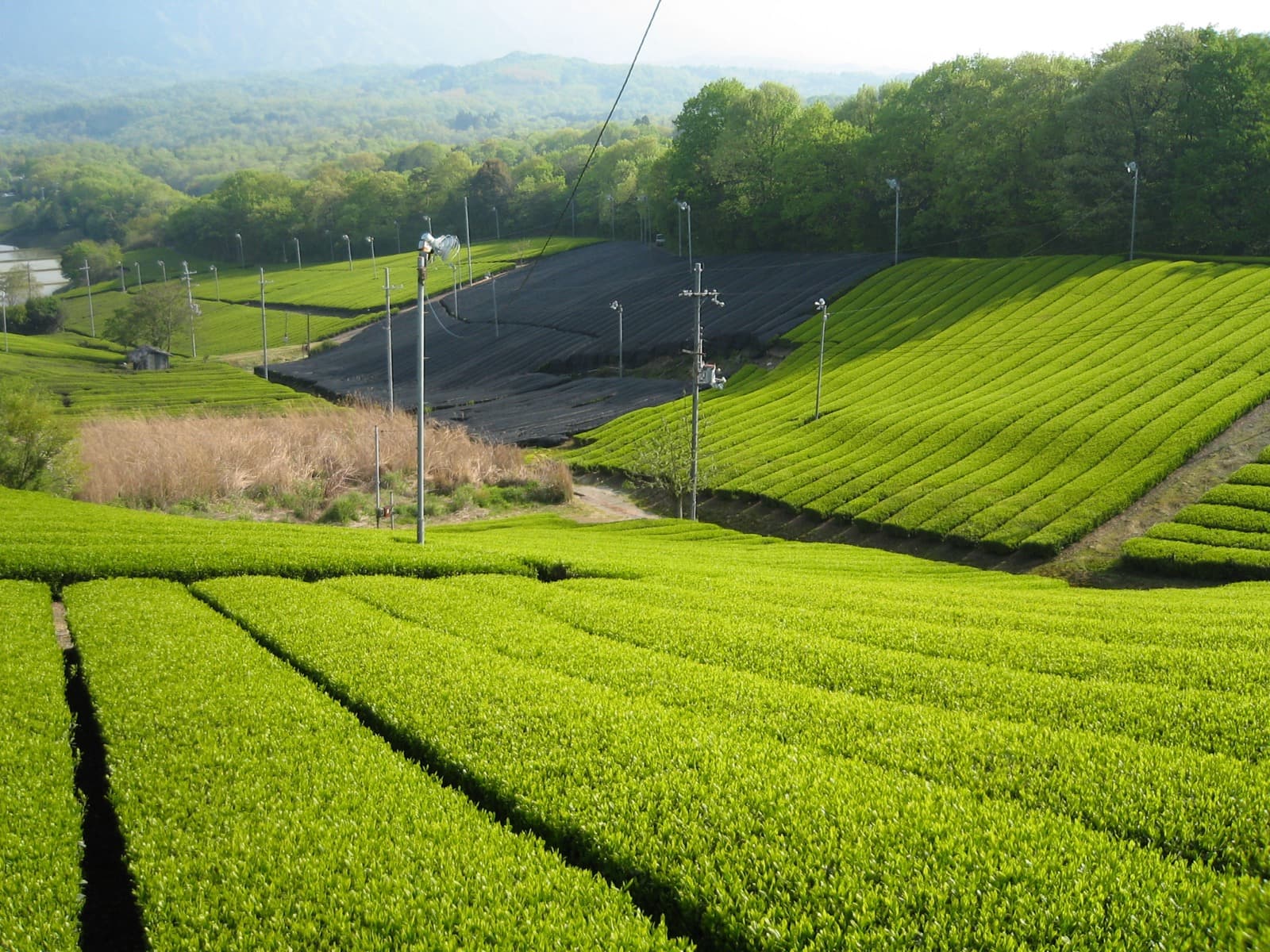
That gap has grown more noticeable during the 2025-2026 shortage: record spring heat cut Uji-area tencha harvests and auction prices spiked, so even Ippodo's normally dependable stock has been thinner than usual, while Yamamasa Koyamaen's smaller, importer-dependent supply chain feels the squeeze even more directly.
Sources
- Ippodo Tea - About Ippodo
- Yamamasa Koyamaen - official site
- Yamamasa Koyamaen - matcha lineup
- NBC News - Matcha shortage drives higher prices
- Sazen Tea - Matcha Samidori
FAQ
Is Yamamasa Koyamaen the same company as Marukyu Koyamaen?
No. They are two separate, independently run tea houses in the Ogura area of Uji that both carry the Koyamaen name and trace back to the same tea-growing lineage, which causes real confusion online. Yamamasa Koyamaen was formally established in 1861 and is best known for single-cultivar matchas like Samidori. Marukyu Koyamaen is a different company with its own separate product line, history, and grading names.
Is Yamamasa Koyamaen matcha as good as Ippodo?
Both are respected Uji-area houses making genuine ceremonial matcha, so it comes down to style rather than quality. Ippodo blends across gardens for a sweeter, more consistent cup; Yamamasa Koyamaen bottles single cultivars like Samidori so you taste one tea plant's character rather than a blend. Enthusiasts who want cultivar-driven flavor often prefer Yamamasa Koyamaen; people who want a predictable daily bowl tend to prefer Ippodo.
Can I buy Yamamasa Koyamaen matcha directly from Japan?
Not from the company itself. Yamamasa Koyamaen's own site states it leaves exporting to trading partners in each region and does not handle direct overseas sales or shipment. In practice this means buying through specialty importers such as Sazen Tea or Yunomi, whose stock and pricing vary, rather than through an official global checkout the way Ippodo offers.
Which is cheaper, Ippodo or Yamamasa Koyamaen?
At the entry ceremonial tier they land close together: Ippodo's Sayaka runs around $0.85/g direct from Ippodo, while 30g tins of Yamamasa Koyamaen's Samidori have priced out to roughly $0.95-1.05/g at overseas specialty retailers. Because Yamamasa Koyamaen sells through middlemen rather than direct, its effective price is more variable and often a little higher for an equivalent grade.
What is Samidori and why is it well known?
Samidori is a tea cultivar that Yamamasa Koyamaen's third-generation head helped select from local Uji plants in the 1930s and 1940s, alongside the Asahi and Komakage cultivars, and it later became a Kyoto Prefecture-recommended variety. As a single-cultivar matcha it has a nutty, vegetal, edamame-like character with mild astringency, distinct from blended house styles like Ippodo's.
Never miss an Ippodo or Yamamasa Koyamaen restock
Join the free Discord community and get an instant alert the moment your grade is back — or sign up to browse live stock across every major Japanese tea house.
Ippodo Tea — full brand guide, grade breakdown & current stock status →
Sources
- https://global.ippodo-tea.co.jp/pages/about-ippodo
- https://www.yamamasa-koyamaen.co.jp/en/
- https://www.yamamasa-koyamaen.co.jp/en/product/chano-yu.html
- https://www.nbcnews.com/business/consumer/matcha-shortage-higher-prices-tariffs-rcna223111
- https://www.sazentea.com/en/products/p825-matcha-samidori.html