
Buying Matcha in Japan in 2026: Shortage, Limits, Shops
What buying matcha in Japan is like now: the 2026 shortage, purchase limits, higher prices, which Uji and Kyoto shops to visit, and customs.
Last updated: September 6, 2026
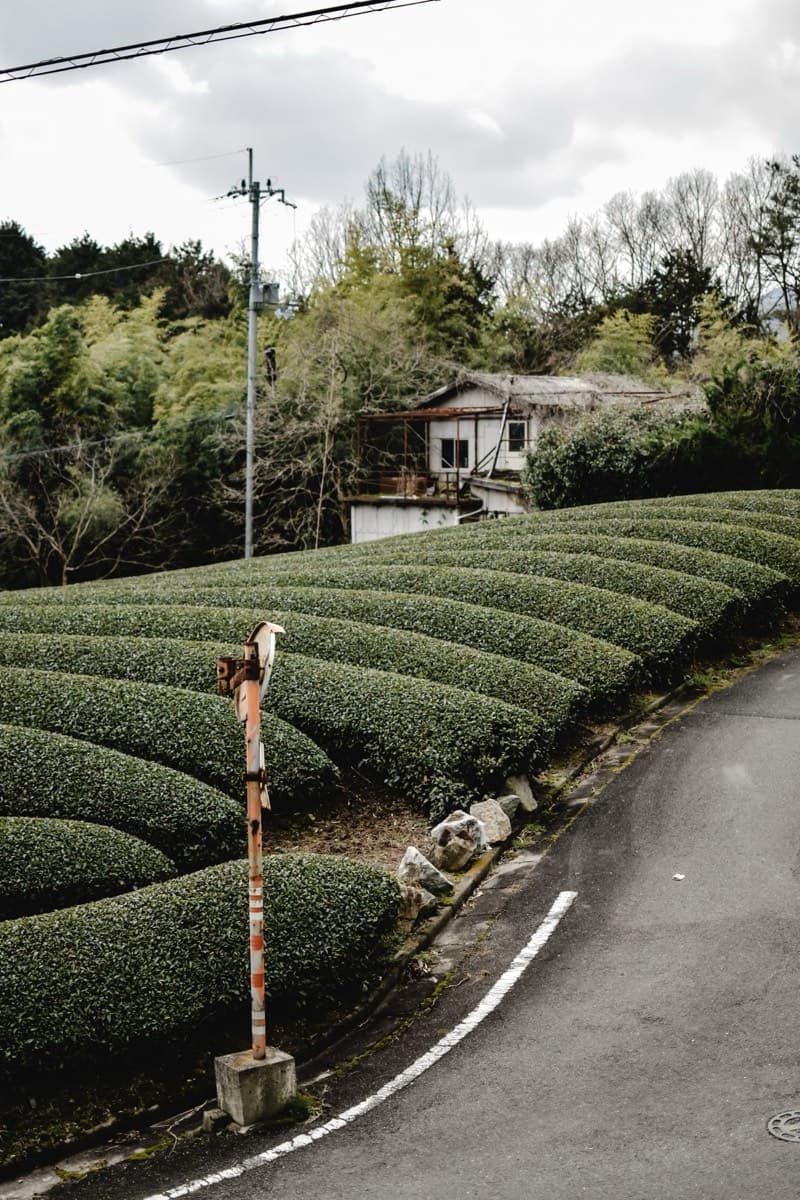
In this guide
- Is there still a matcha shortage in Japan right now?
- What does the shortage mean for someone shopping in Japan?
- Is anything new making 2026 worse than 2025?
- Where can you watch matcha reviews and how-tos?
- Which shops should you actually visit in Kyoto and Uji?
- How should you choose what to buy under a purchase limit?
- How do you get matcha home and keep it fresh?
- What should you do when your Japanese matcha runs out back home?
Restocks sell out in minutes — get the alert in Discord.
Join the Community on Discord (Whop page for the Discord community, opens in a new tab)A matcha-buying trip to Japan is still a good idea, but 2026 is a different trip from 2023. Demand from outside Japan has outrun supply, prices have jumped, the famous shops ration what they sell, and a new energy-supply worry has entered the picture. Here is the current situation and how to shop well anyway.
Is there still a matcha shortage in Japan right now?
Yes, and it is well documented in 2026 reporting. Japan's green tea exports in the fiscal year to March 2026 reached 13,125 tons, up 42 percent year on year, with export value more than doubling to about 84.7 billion yen, the highest in over 70 years, and powdered tea made up roughly 70 percent of that volume. The Global Japanese Tea Association's April 2026 report states that European and US matcha demand "has tightened supply of domestically produced tea leaves." The spring 2026 first flush came in on favourable weather, which is a genuine positive, but it is not large enough to close the gap.
What does the shortage mean for someone shopping in Japan?
Higher prices and rationing. Ippodo's February 2026 notice puts the average first-harvest tea price at about 2.5 times the previous year, and matcha specifically at about 2.6 times, and the company has already discontinued several bancha and blended-tea items from March 1, 2026, while warning it "may implement temporary suspensions or purchase limits" on more lines. In practice that means higher shelf prices than a year ago, caps of one or two tins per grade at the well-known shops, and specific grades selling out during the day and returning the next morning.
Is anything new making 2026 worse than 2025?
One thing: energy. Japan's agriculture minister visited a Tokyo matcha cafe in April 2026 specifically to discuss how Middle East tensions could disrupt the heavy fuel oil that tea producers burn to dry harvested leaves during the April-to-June processing window, and pledged to "respond carefully" to fuel supply concerns. Producers interviewed said raw-leaf procurement was fine but that fuel cost and availability were now a worry. It has not caused a fresh price spike as of writing, but it is the reason the 2026 outlook is cautious rather than recovering.
Where can you watch matcha reviews and how-tos?
These videos come from the tea makers themselves and from independent reviewers who bought the tins with their own money. They show the tin and powder colour, the whisking, the foam and the tasting notes. Watching one before you order is a cheap way to judge colour, froth and flavour. Treat the opinions as one person's taste, and check the price and stock on the shop's own page.
Which shops should you actually visit in Kyoto and Uji?
In central Kyoto, Ippodo's Teramachi flagship is the single best stop, with the attached Kaboku tea room where staff prepare or help you prepare the teas, and, as one long-time TeaChat member put it, "you can usually get some matcha that is not available outside of Kyoto." Horaido sits on the same street with a devoted following. In Uji, 20 minutes south by JR Nara Line, the anchors are Nakamura Tokichi Honten, with its heritage main building and cafe, and Marukyu Koyamaen, the Urasenke school's matcha purveyor. Tsuen, by the Uji bridge, is Japan's oldest tea shop, and Fukujuen's Ujicha Kobo runs a stone-milling class that ends with a tasting. For addresses, opening hours, closing days and tax-free rules for each house, see our Kyoto and Uji shop guide, and for what each house charges per gram, see our price comparison.
How should you choose what to buy under a purchase limit?
Spend your one or two tins per grade on matcha you cannot get at home, not on the entry grades that ship internationally. Buy sealed 20 to 40 gram tins rather than one large bag, because ceremonial matcha is at its best within about three months of opening and fades fastest with heat, light and air. If you want organic, look for the JAS mark, not the English word alone. And do not panic-buy an unfamiliar "ceremonial" tin just because the shelf looks thin; under allocation, the shop staff will tell you what is actually good that day.
How do you get matcha home and keep it fresh?
Customs in the US, UK, EU, Canada and Australia treat commercially sealed retail tea as normal food for personal use, so keep tins unopened, keep your receipts, and declare food if the form asks. Pack tins in the middle of your luggage away from sun and heat, keep unopened tins in a cool dark cupboard at home, and move any opened tin into an airtight container in the fridge.
What should you do when your Japanese matcha runs out back home?
It will run out, and the same tins from Ippodo, Marukyu Koyamaen or Nakamura Tokichi restock unpredictably on the international sites and sell out within minutes, more so under the current shortage. Rather than refreshing storefronts, set a restock alert for the exact brand and grade you want so you are notified the moment it returns, and keep a realistic second choice in mind for the stretches when your first pick is gone. Our restock playbook explains each shop's rhythm and the time-zone windows.
Sources
- The Japan Times — Japan's green tea exports surged in fiscal 2025 amid matcha boom (May 2026)
- Nippon.com / JIJI Press — Japan agriculture minister inspects matcha cafe in Tokyo (Apr 2026)
- STiR Coffee and Tea — Japanese farmers increase tencha production (Jun 2026)
- Global Japanese Tea Association — Japanese tea report, April 2026
- Ippodo Tea — Notice on industry supply shortages (Feb 2026)
- MAFF — Organic JAS standard
- USDA — US–Japan organic equivalence (JAS) FAQ
- TeaChat — "Ippodo, Horaido, or someone else?"
FAQ
Is there still a matcha shortage in Japan in 2026?
Yes. The Global Japanese Tea Association's April 2026 report says strong matcha demand in Europe and the United States "has tightened supply of domestically produced tea leaves," and Ippodo's February 2026 notice describes ongoing scarcity. The spring 2026 first flush came in on good weather, which helps, but Japan still cannot grind enough to meet global demand, and prices stay well above pre-2025 levels.
Will shops in Japan limit how much matcha I can buy?
Often, yes. Ippodo's February 2026 notice says it "may implement temporary suspensions or purchase limits" on more tea varieties, and popular shops in Tokyo, Kyoto and Uji have run per-customer or per-grade caps, commonly one or two tins of a given grade. Specific grades also sell out during the day and are restocked the next morning, so an early start helps.
Is matcha still cheaper bought in Japan than shipped abroad?
Usually, for the same grade, because you skip international shipping and importer margins. But Japanese retail prices themselves have risen sharply through 2025 and 2026, so the gap is smaller than it was. The stronger reason to buy in person is access: mid and upper grades from the Uji houses that never reach the international storefronts, or that are allocated out.
How much matcha can I bring home from Japan?
Matcha is dried tea and customs agencies in the US, UK, EU, Canada and Australia treat commercially sealed retail packaging as normal food for personal use. Keep tins unopened, keep receipts, and declare food if your entry form asks. The practical limit is freshness, not customs: ceremonial matcha is best within about three months of opening.
What is the JAS mark on organic Japanese matcha?
JAS is the Japanese Agricultural Standard. Matcha grown and processed to the organic JAS standard carries the JAS mark, and under the US-Japan organic equivalence arrangement described by the USDA, a JAS-certified organic product can be sold and labelled as organic in the United States without re-certification. If organic matters to you, look for that mark rather than the English word "organic" alone.
Never miss a Nakamura Tokichi or Marukyu Koyamaen or Ippodo restock
Join the Discord community and get an instant alert the moment your grade is back — or sign up to browse live stock across every major Japanese tea house.
Marukyu Koyamaen — full brand guide, grade breakdown & current stock status →
Sources
- japantimes.co.jp/business/2026/05/01/green-tea-exports-matcha
- nippon.com/en/news/yjj2026040901043/japan-agriculture-minister-inspects-matcha-cafe-in-tokyo.html
- stir-tea-coffee.com/tea-coffee-news/japanese-farmers-increase-tencha-production
- gjtea.org/japanese-tea-report-april-2026
- global.ippodo-tea.co.jp/blogs/news/202602019
- maff.go.jp/e/policies/standard/specific/organic_JAS.html
- ams.usda.gov/services/organic-certification/international-trade/Japan/faq
- teachat.com/viewtopic.php?t=17012