
Marukyu Koyamaen Matcha Chart: Every Grade Compared (2026)
Ten grades, two preparation families, and wildly different availability. This chart puts the entire Marukyu Koyamaen lineup side by side — how each grade feels, what it's for, and how fast it disappears — so you can pick in two minutes instead of two hours.
The Complete Comparison Chart
Grades are ordered top to bottom from most premium to entry level. The dividing line to remember: Kinrin and above can be prepared as koicha (thick tea); everything below is usucha (thin tea) only.
| Grade | General Feel | Typical Use | Koicha? | Price Tier | Availability |
|---|---|---|---|---|---|
| Tenju 天授 | Ultra-rich, extraordinary sweetness, no edges | Formal koicha, once-a-year occasions | Yes | $$$$$ | Rarely in stock — months between restocks |
| Unkaku 雲鶴 | Deep oceanic umami, full body, near-zero bitterness | Formal koicha, hosting, connoisseur usucha | Yes | $$$$ | Sells out in hours |
| Choan 長安 | Mellow, creamy, quietly refined | Koicha practice, contemplative sessions | Yes | $$$$ | Limited |
| Kinrin 金輪 | Creamy, nutty, balanced umami | Entry koicha, special-occasion usucha | Yes | $$$ | Intermittent |
| Wako 和光 | Exceptionally sweet, smooth, long elegant finish | The best daily usucha, gifting | No | $$$ | Sells out fast |
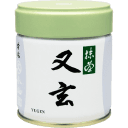
| Yugen 又玄 | Complex, nutty, rounded | Experienced daily drinkers | No | $$$ | Usually available |
| Isuzu 五十鈴 | Balanced, floral, naturally sweet, clean finish | Daily whisked matcha, ceremony practice | No | $$ | Usually available |
| Chigi no Shiro 千木の白 | Light, smooth, low bitterness | Beginners, gentle usucha | No | $$ | Usually available |
| Aoarashi 青嵐 | Bold, brisk, grassy, energetic | Lattes, iced matcha, first tin | No | $ | Widely available |
| Wakatake 若竹 | Strong and robust — cuts through milk | Lattes, smoothies, high volume | No | $ | Widely available |
Culinary grades (Ayame, Suisen, Midorigi, Byakuren) are excluded — they are for baking and blending, not whisked preparation.
⚠️ The availability column matters more than the price column
In 2026, choosing a Marukyu Koyamaen grade is only half the decision — actually getting it is the other half. Unkaku, Wako, and Tenju routinely sell out within hours of a restock. Check the live grade-by-grade stock status and set up a stock alert before you need it, not after it sells out.
How to Read the Lineup: Three Flavor Axes
Every step up the Marukyu Koyamaen ladder moves the same three dials, and knowing them makes the chart self-explanatory:
- Umami rises. Entry grades taste grassy and brisk; premium grades develop the deep, savory-sweet richness that defines Uji matcha. By Unkaku it is almost oceanic.
- Bitterness falls. Aoarashi has an assertive bite. Wako has almost none. Unkaku and Tenju have effectively zero at any concentration — which is what makes them koicha-capable.
- Body thickens. Texture moves from light and refreshing to full and velvety. Thicker body is essential for koicha, where the tea is whisked into a paste-like consistency.
This is why "better" grades are not automatically the right choice. A latte needs Aoarashi's boldness to survive the milk; Unkaku's subtlety would vanish into it. Match the grade to the preparation, not the price tag.
Head-to-Head: The Four Decisions People Actually Face
Most buyers are not choosing between all ten grades — they are stuck between two neighbors on the ladder. These are the four matchups that come up constantly:
Aoarashi vs Isuzu
Isuzu for whisked matcha, Aoarashi for lattes
This is the most common first decision. Aoarashi is bold and grassy with noticeable bitterness — character that works in a latte but reads as harsh in plain usucha. Isuzu costs more but is where the Marukyu Koyamaen house style actually begins: natural sweetness, balanced umami, and a clean finish with nothing to hide behind. If you will drink it whisked with just water, skip Aoarashi and start at Isuzu.
Isuzu vs Wako
Wako is the upgrade you notice immediately
Isuzu is excellent daily matcha; Wako is the flagship usucha grade. The step up buys markedly more sweetness, a longer finish, and almost no bitterness. Most drinkers describe the difference as obvious from the first bowl, not subtle. The catch is availability — Wako sells out quickly while Isuzu is usually purchasable. A common pattern: Isuzu for weekdays, Wako when you can get it.
Wako vs Unkaku
Different jobs — usucha ceiling vs koicha territory
These two are less direct competitors than they appear. Wako is the top of the usucha-only family: elegant, sweet, made for thin tea. Unkaku is koicha-capable — dramatically deeper umami and full body designed to hold up at thick-tea concentration. If you never prepare koicha, Wako gives you more pleasure per gram. If you are moving into koicha, Unkaku is the traditional choice and the grade worth setting an alert for.
Unkaku vs Tenju
Tenju only if you find it — Unkaku is the practical peak
Tenju is the competition-tier ceiling of the retail lineup, and it is priced and stocked accordingly — often unavailable for months at a time. Unkaku delivers most of that experience and actually restocks. Unless you are a collector or preparing for a formal occasion, Unkaku is the realistic top of the ladder.
The Upgrade Ladder: Where to Start, Where to Go Next
If you plan to explore the lineup over time rather than buy once, this is the progression that makes each step feel meaningful:
- Start: Isuzu — the first grade that expresses the real house character. (Start at Aoarashi only if lattes are your main preparation.)
- First upgrade: Wako — the flagship usucha. The jump in sweetness and finish is immediately obvious.
- Into koicha: Kinrin — the entry point to thick tea, and a lovely special-occasion usucha too.
- The peak that restocks: Unkaku — the most celebrated koicha grade in regular retail. Alert-worthy.
- The trophy: Tenju — competition tier. Buy it when you see it, because you will not see it often.
Frequently Asked Questions
What is the difference between Marukyu Koyamaen grades?
Each grade reflects different first-harvest leaf and cultivar selection, not marketing tiers. Moving up the lineup, umami and sweetness increase, bitterness decreases, and body thickens. Kinrin and above are koicha-capable; Wako and below are for usucha only.
Which Marukyu Koyamaen grade is the best value?
Isuzu. It is the least expensive grade that fully expresses the house character — natural sweetness, balanced umami, clean finish — and it is usually in stock. Wako is better, but you pay more and have to catch a restock.
Is Aoarashi good for drinking straight?
It is drinkable whisked, but its brisk, grassy character with medium-high bitterness is really built for lattes and iced preparations. For plain usucha, Isuzu is a significantly better experience for a modest price difference.
Why can’t Wako be used for koicha?
Koicha uses roughly double the powder in half the water, which amplifies any bitterness dramatically. In the Marukyu Koyamaen system, only Kinrin and above are refined enough to stay sweet and smooth at that concentration.
Which grades sell out fastest?
Unkaku, Wako, and Tenju — typically within hours of a restock, sometimes under an hour. Isuzu, Chigi no Shiro, Aoarashi, and Wakatake are usually purchasable outside of peak demand spikes.
Where can I see current stock for these grades?
Matcha Alert Club tracks the full Marukyu Koyamaen lineup and sends instant alerts when a grade restocks — the practical way to secure Unkaku or Wako without refreshing the store page daily.
Picked Your Grade? Now Actually Get It
The grades at the top of this chart sell out in hours. Track every Marukyu Koyamaen grade — plus Ippodo, Nakamura Tokichi, and 15+ top Japanese tea houses — and get an instant alert the moment it restocks.
Get Stock AlertsFree to browse · Restock alerts in the Discord community · See pricing
The Short Version
Lattes: Aoarashi. Daily whisked matcha: Isuzu. The best thin tea in the lineup: Wako. Koicha: Kinrin to start, Unkaku as the goal. And whichever you choose from the top half of the chart, set the alert first — with Marukyu Koyamaen, knowing what you want has never been the hard part.
Marukyu Koyamaen — full brand guide, grade breakdown & current stock status →
Related Articles
Complete Guide to Marukyu Koyamaen Matcha (2026)
Deep dives on every grade — history, cultivars, buying guide, and how to avoid fakes.
Is Marukyu Koyamaen In Stock? (2026)
Grade-by-grade stock status and which grades to set alerts for first.
Ippodo vs Marukyu Koyamaen: Which is Right for You?
Head-to-head comparison of the two most prestigious Uji tea houses.
Where to Buy Marukyu Koyamaen Matcha (2026)
Every authorised source — Japan official store, EU distribution, and US retailers.