
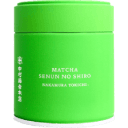
Complete Guide to Nakamura Tokichi Honten Matcha (2026)
Founded in 1854 on Uji's historic riverbank, Nakamura Tokichi Honten is one of Japan's most storied tea houses — with tea ceremony endorsements from Urasenke's Grand Masters, a building designated as an Important Cultural Landscape, and a matcha lineup that rivals any producer in Uji. Here is everything you need to know.
Why Nakamura Tokichi?
Most Western matcha drinkers know Ippodo and Marukyu Koyamaen. Nakamura Tokichi Honten sits at the same tier of quality — equally respected within Japan's tea ceremony world — but remains less visible internationally, which means its matcha is sometimes available when other top-tier Uji producers are sold out.
The house was founded in 1854 (the Ansei era, late Edo period) on the Byobugaura riverbank in central Uji — steps from Byodo-in Temple, itself a UNESCO World Heritage Site. From its founding, Nakamura Tokichi committed to stone-ground processing as its production standard, a commitment maintained unbroken across 170 years.
Several grades in their lineup carry tea names bestowed by the Grand Masters of Urasenke and Omotesenke — Japan's two most prestigious tea ceremony schools. This is not a marketing claim; it is a formal institutional endorsement that only the highest-quality matcha producers receive.
🏛️ Important Cultural Landscape
The Nakamura Tokichi Honten main store building in Uji is officially designated as an "Important Cultural Landscape" of Japan — a distinction recognising not just architectural heritage but the living continuation of a traditional trade. Walking through the shop is, as one writer put it, "less like visiting a heritage attraction and more like entering a trade that never stopped."
About Nakamura Tokichi Honten (中村藤吉本店)
- Founded: 1854 (Ansei 1, late Edo period)
- Location: Byobugaura, central Uji, Kyoto Prefecture
- Building status: Designated Important Cultural Landscape of Japan
- Tea ceremony endorsements: Multiple grades bear tea names from Urasenke's Hounsai Sosho and Omotesenke Grand Masters
- Production: Stone-ground Uji tencha; first-harvest leaves for ceremonial grades
- Matcha grades: Seven grades spanning everyday usucha to elite koicha
- International shipping: Via official global store (global.tokichi.jp)
- Famous for: Premium matcha, the iconic "Namacha Jelly" dessert, tea ceremony rooms, and a flagship café in Uji
Nakamura Tokichi is, in many ways, the most authentically "Uji" experience available to the modern visitor. Their flagship store operates as a working merchant house — matcha is sold and ground on the premises — while also hosting a tea ceremony room where guests can experience traditional preparation. The café's famous Namacha Jelly (fresh matcha jelly served in bamboo) has become a pilgrimage destination in its own right, drawing visitors who then discover the ceremonial matcha lineup.
Why Serious Matcha Lovers Choose Nakamura Tokichi
- Tea ceremony pedigree: Urasenke-endorsed grades are among the most direct signals of ceremonial quality available in the market. These endorsements are not given lightly — they reflect the Grand Master's personal assessment of suitability for the tea ceremony.
- Uninterrupted 170-year lineage: Nakamura Tokichi has never closed, never reinvented itself, and never abandoned stone-grinding. The same slow-mill tradition used in 1854 continues today.
- Authentic Uji origin: All matcha is sourced from Uji tea gardens with the transparency of a house that has been buying from the same region for generations.
- Broader range than expected: Seven grades covering the full spectrum from accessible everyday matcha to competition-level koicha — more breadth than many specialist producers.
- Comparative availability: While all premium Uji grades are increasingly scarce, Nakamura Tokichi's lower international profile means their stock sometimes lasts longer than Ippodo or Marukyu Koyamaen equivalents.
Complete Product Guide: Every Grade
Nakamura Tokichi's lineup spans seven grades. Following the traditional naming convention, ceremonial grades use "-no-Mukashi" (〜の昔) in their names. The lineup is structured from everyday usucha-only grades up through koicha-capable premium grades with formal tea ceremony endorsements.
| Grade | Best For | Flavour Character | Price (approx.) | Koicha? |
|---|---|---|---|---|
| Uji no Mukashi 宇治の昔 | Elite koicha, ceremony masters | Extraordinary depth, supreme umami | ¥10,800+ / 30g | Yes |
| Seiko no Mukashi 精光の昔 ★ | Koicha, connoisseur usucha | Balanced umami, creamy body, clean bitterness | ¥6,480 / 30g | Yes |
| Sho no Mukashi 笑の昔 ★ | Versatile — best for both usucha & koicha | Rounded umami, gentle sweetness, subtle bitterness | ¥3,950 / 30g | Yes |
| Hatsu no Mukashi 初の昔 | Premium usucha, daily ceremonial | Bright, clean, balanced character | ¥2,160 / 30g | No |
| Tsuki no Wakaba 月の若葉 | Everyday usucha | Approachable, mild, pleasant | ¥1,512 / 30g | No |
| Hana no Shizuku 花の雫 | Lattes, entry-level | Mild, accessible, slightly grassy | ¥1,080 / 30g | No |
| Kiri no Shizuku 霧の雫 | Culinary, desserts, lattes | Strong, robust, designed for mixing | ¥810 / 30g | No |
★ = Most recommended grades for traditional preparation. Prices in JPY, approximate.
Grade Deep Dives
Sho no Mukashi (笑の昔) — "Smiling Long Ago"
Sho no Mukashi is the most celebrated grade in the Nakamura Tokichi lineup among tea community reviewers. Named "Smiling Long Ago," it is the favoured blend of Urasenke's Grand Master Hounsai for both usucha and koicha — the single most direct ceremonial endorsement available. Soft, rounded umami opens the palate, with gentle sweetness and a subtle clarifying bitterness that develops on the finish.
- Umami: Medium-high | Sweetness: High | Bitterness: Low-medium (well-controlled)
- Body: Medium-full | Finish: Clean, lasting
- Best for: The most versatile grade in the lineup — excellent everyday usucha, capable koicha, suitable for hosting guests
- Price: ¥3,950 / 30g (~£21 / $26 / €24 approximate)
- Note: Frequently cited as the best "gateway" to Nakamura Tokichi's house character — complex enough to impress, accessible enough to enjoy daily
Seiko no Mukashi (精光の昔) — "Pure Light Long Ago"
Seiko no Mukashi is the upper-tier ceremonial grade, bearing a tea name bestowed by Urasenke's Hounsai Sosho. It sits above Sho no Mukashi in the hierarchy and is designed for practitioners who want more power and body in their koicha. The flavour profile is characterised by balanced umami, a creamy texture, vivid green colour, and a strong but polished savory depth.
- Umami: High | Sweetness: Medium-high | Bitterness: Controlled (clean, not harsh)
- Body: Full | Finish: Long and polished
- Best for: Formal koicha preparation, connoisseur-level usucha, hosting tea ceremony guests
- Price: ¥6,480 / 30g (~£34 / $42 / €39 approximate)
Uji no Mukashi (宇治の昔) — "Uji Long Ago"
The flagship pinnacle of the Nakamura Tokichi lineup. Uji no Mukashi is a formal koicha grade of the highest order — the tea that the house reserves for the most important ceremonial occasions. Rarely in stock outside Japan; when available, immediately sought by serious practitioners.
- Best for: Tea ceremony masters, collectors, practitioners who want the ceiling of Nakamura Tokichi's production
- Availability: Very limited; stock alerts essential
Hatsu no Mukashi (初の昔) — "First Long Ago"
The entry point to Nakamura Tokichi's ceremonial lineup. Hatsu no Mukashi is a premium usucha grade with bright character and clean finish. It is the first grade that fully expresses the house's Uji character — a significant step up from the everyday grades below it.
- Best for: Daily ceremonial drinking, first-time Nakamura Tokichi buyers who want a genuine ceremonial experience without committing to the higher prices of Sho or Seiko
- Price: ¥2,160 / 30g — the most accessible entry into the ceremonial range
Which Nakamura Tokichi Grade Should You Buy?
First-time buyer
Hatsu no Mukashi
Affordable entry into the ceremonial range; genuine Uji character, clear step up from commercial matcha
Daily drinker
Sho no Mukashi
The most versatile grade; endorsed by Urasenke Grand Master for both thin and thick tea; complex enough to reward daily attention
Traditional koicha
Seiko or Sho no Mukashi
Both are koicha-capable; Seiko offers more power and body; Sho is more approachable for beginners to thick tea
Gifting
Seiko no Mukashi
Premium grade, Urasenke endorsement, elegant tin — a meaningful gift for a serious tea lover
The ceiling
Uji no Mukashi
When you want the absolute best the house produces; set a stock alert as it sells out quickly
Matcha latte lover
Hana no Shizuku
Accessible, mild, and affordable — no need to use ceremonial grades in lattes
Curious enthusiast
Sho no Mukashi
The single grade that best represents Nakamura Tokichi's distinctive character — the one to try first if you want to understand the house
Beyond Matcha Powder: The Nakamura Tokichi Experience
Nakamura Tokichi is perhaps the best example of a traditional Japanese tea house that has extended its craft into accessible, contemporary formats without compromising the core product. Their Namacha Jelly — fresh matcha jelly cubes served in a bamboo tube — has become one of Uji's most iconic food experiences and a significant reason why visitors who had never previously thought about premium matcha powder leave with a tin of Sho no Mukashi.
The flagship café at the main store (in the sensitively modernised section of the old tea factory building) serves matcha parfaits, matcha soft serve, matcha warabi-mochi, and seasonal tea-inspired desserts. The tea ceremony room offers quiet, structured preparation sessions. This multi-layered experience is unusual among the top-tier Uji producers — most are purely retail operations. Nakamura Tokichi is a destination.
How Does Nakamura Tokichi Compare?
- vs. Ippodo: Ippodo has broader international distribution, a New York retail store, and more internationally recognised branding. Nakamura Tokichi has equivalent ceremonial credentials but narrower international presence. Ippodo's house style is sweeter and more consistent; Nakamura Tokichi shows more traditional Uji depth. Both are Urasenke-associated.
- vs. Marukyu Koyamaen: Marukyu Koyamaen has a broader grade range and is perhaps the most recognised name among serious international enthusiasts. Nakamura Tokichi is comparably prestigious in Japanese tea ceremony circles but less internationally distributed. For buyers outside Japan, Marukyu Koyamaen may be slightly more accessible; inside Japan they are peers.
- vs. Horii Shichimeien: Both are Uji heritage producers with strong tea ceremony credentials. Horii manages the historic Oku no Yama garden (from the Muromachi period); Nakamura Tokichi has the Important Cultural Landscape designation and more developed retail/café operations. Horii's Narino grade has exceptionally high L-theanine; Nakamura Tokichi's Sho no Mukashi has the direct Urasenke Grand Master endorsement.
- vs. Tsujiri (Tsujirihei Honten): Tsujiri is founded 1860 and maintains traditional honzu shading methods. Both are mid-19th century Uji establishments with deep traditional credentials. Tsujiri focuses more narrowly on traditional production methods; Nakamura Tokichi has a broader consumer-facing operation with the café and dessert culture.
Frequently Asked Questions
Is Nakamura Tokichi authentic Uji matcha?
Yes. Founded in 1854 in Uji, their ceremonial grades are all first-harvest, stone-ground Uji tencha. The house has operated continuously from the Edo period without interruption or relocation.
What does Urasenke endorsement mean for a matcha?
Urasenke is Japan's most prestigious tea ceremony school, descended from Sen no Rikyū's lineage. When the Grand Master (Iemoto) bestows a tea name on a matcha and recommends it for ceremony, it is the highest possible institutional validation of ceremonial suitability — above any commercial review.
Which grade should a beginner buy from Nakamura Tokichi?
Hatsu no Mukashi is the most accessible entry into the ceremonial range at a lower price point. If budget allows, Sho no Mukashi gives a clearer picture of the house character and doubles as an excellent koicha grade.
Is Nakamura Tokichi matcha worth the price?
For ceremonial preparation, yes — especially the Sho and Seiko grades. The Urasenke endorsement, 170-year production history, and stone-ground Uji credentials justify premium pricing. For lattes or casual cooking, the lower grades or culinary tiers are more appropriate.
Can I buy Nakamura Tokichi matcha outside Japan?
Yes, via global.tokichi.jp which ships internationally. Stock availability is better than some other Uji producers because international demand, while growing, has not yet reached the same pressure levels as Ippodo or Marukyu Koyamaen in key Western markets.
What is the Namacha Jelly?
Nakamura Tokichi's iconic matcha dessert — fresh matcha jelly cubes served chilled in a bamboo tube, often alongside cream or kinako. Exclusive to their Uji café and a major draw for visitors to the main store. It cannot be ordered online but uses the same high-quality Uji matcha as the retail grades.
How does Sho no Mukashi differ from Seiko no Mukashi?
Sho no Mukashi is softer, more rounded, and more versatile — the everyday ceremonial choice. Seiko no Mukashi has more body, more power, and deeper umami — better for formal koicha or experienced drinkers seeking a step up in intensity. Both carry Urasenke endorsements.
Is the Nakamura Tokichi main store building historic?
Yes. The Uji Honten is a former tea factory building designated as one of Japan's Important Cultural Landscapes. The exterior and tea rooms preserve Meiji and Taisho-era architecture, while a modern café section has been sensitively integrated.
Why is Nakamura Tokichi less famous than Ippodo internationally?
Primarily distribution strategy — Ippodo opened a New York store and built English-language digital marketing early. Nakamura Tokichi's international presence expanded later. The matcha quality is comparable at equivalent price points; the difference is accessibility, not quality.
Buying Guide
- Where to buy: Official global store at global.tokichi.jp ships internationally with English-language product pages. Some international specialist retailers also stock selected grades.
- Which sells out first: Uji no Mukashi (top grade) and Seiko no Mukashi sell out fastest. Sho no Mukashi has better availability than comparable grades from Ippodo or Marukyu Koyamaen at the same tier.
- Packaging and freshness: Look for production dates on tins. Nakamura Tokichi uses traditional pull-top cans — store opened cans in the refrigerator and use within 4–6 weeks.
- Gift suitability: Seiko no Mukashi in a presentation box is an excellent gift — the Urasenke endorsement and elegant packaging convey the correct significance to a Japanese tea audience.
- Visiting Uji: If you visit Uji, the Honten shop offers personal guidance from staff on grade selection, with English-language product labels available. This is one of the best places in Japan to learn the grade differences by tasting.
Get Instant Alerts for Nakamura Tokichi Restocks
Track Nakamura Tokichi's ceremonial grades — plus Ippodo, Marukyu Koyamaen, Horii Shichimeien, and 15+ top Japanese tea houses. Never miss a restock of Sho no Mukashi or Seiko no Mukashi again.
Get Stock AlertsFree to browse · Restock alerts in the Discord community · See pricing
Conclusion
Nakamura Tokichi Honten is the Uji tea house most likely to surprise serious matcha drinkers who arrive already familiar with Ippodo and Marukyu Koyamaen. The Urasenke endorsements are genuine, the production standards are uncompromised, and the house character — particularly in the Sho no Mukashi and Seiko no Mukashi grades — offers a distinctive Uji experience that stands alongside the best in the market.
Start with Sho no Mukashi. It will tell you everything you need to know about whether Nakamura Tokichi belongs in your regular rotation. Most serious tea drinkers who try it find that it does.
Nakamura Tokichi — full brand guide, grade breakdown & current stock status →