
Best Uji Matcha Brand in 2026: Ippodo, Marukyu, Nakamura
There is no single best Uji matcha brand. Ippodo wins on reliability, Marukyu Koyamaen on ceremonial tradition, and Nakamura Tokichi on value and depth.
Last updated: August 29, 2026
Restocks sell out in minutes — get the alert in Discord.
Get Access to Restock Alerts (Discord community via Whop, opens in a new tab)"Best Uji matcha brand" has no single answer, because Ippodo, Marukyu Koyamaen and Nakamura Tokichi are all genuine, long-established houses that simply optimise for different things. This guide explains what Uji matcha is, then matches each brand to the buyer it actually suits.
What makes Uji matcha different?
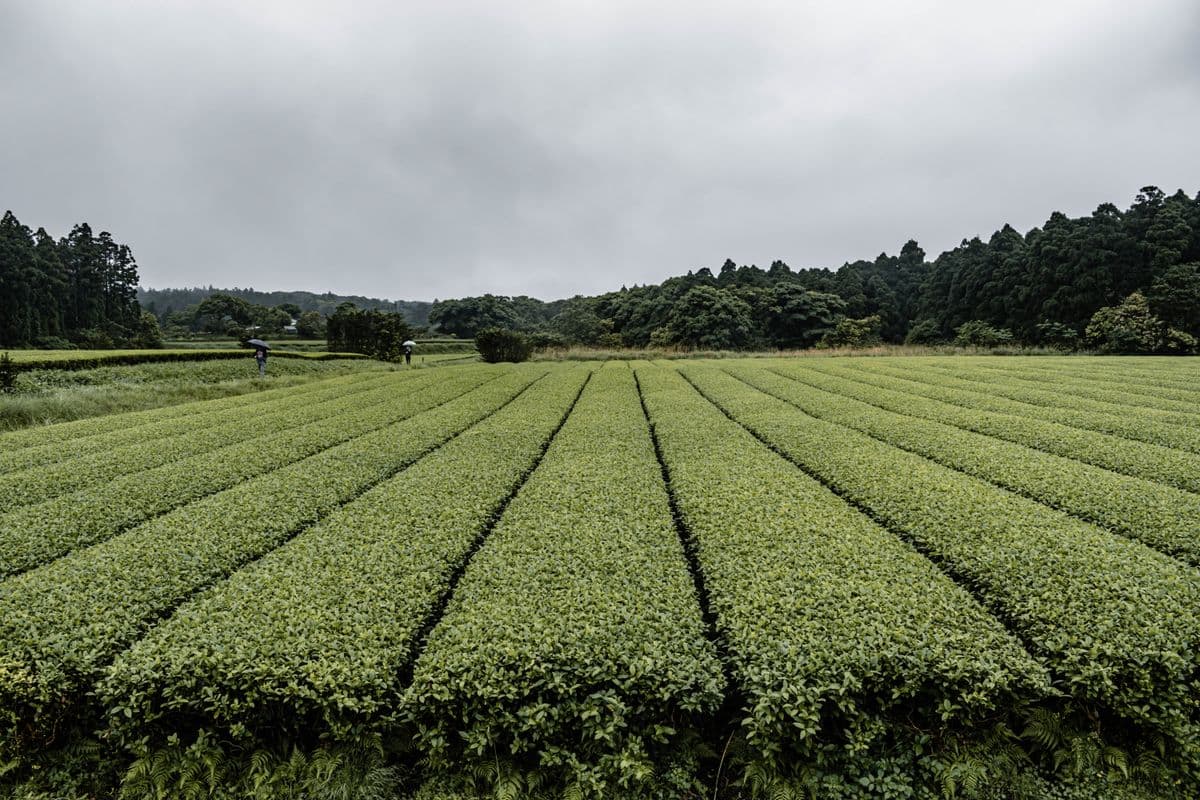
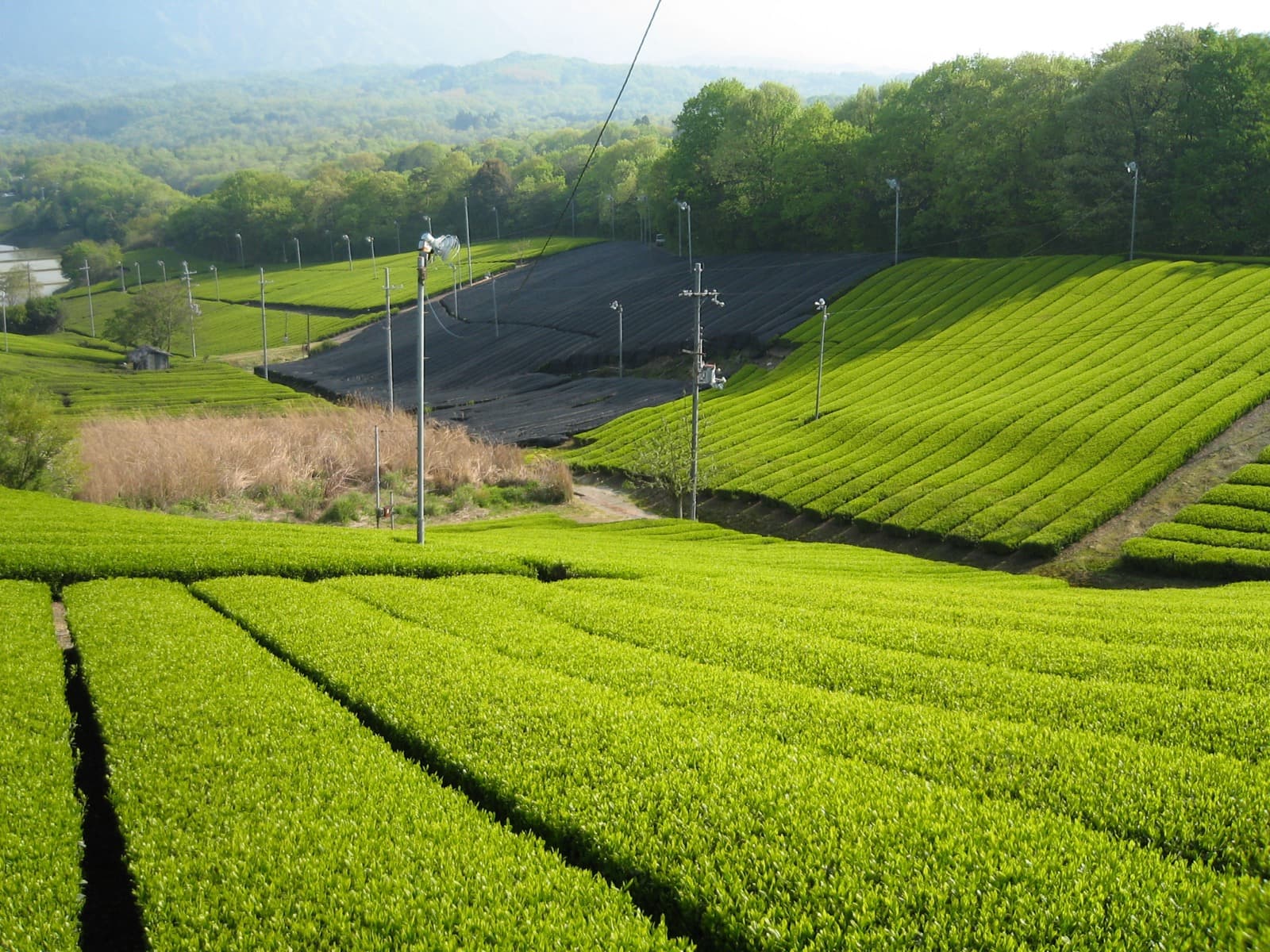
Uji is a small city in Kyoto Prefecture with roughly 800 years of tea history, dating to when tea cultivation spread south from Kyoto in the medieval period. It is the reference region for Japanese matcha: its growers refined the honzu shading method — covering plants with reed and straw rather than synthetic black netting — and the production of tencha, the shade-grown, de-stemmed leaf that is stone-milled into matcha. "Uji matcha" today is a regional designation that permits blending in leaf grown in neighbouring Nara, Shiga and Mie, provided the tea is finished and processed in Kyoto by a Kyoto business using Uji methods. In practice that means the specific house and grade tell you more about quality than the words on the tin.
| At a glance | Ippodo | Marukyu Koyamaen | Nakamura Tokichi |
|---|---|---|---|
| Founded | 1717, Kyoto | 1704, Uji | 1854, Uji |
| Best for | Beginners, reliability, lattes | Tea ceremony, koicha, tradition | Value, grade depth, everyday usucha |
| Entry usucha price | ~$0.85/g (Sayaka) | ~$0.55/g (Aoarashi) | ~$0.65/g (Fuji-no-Shiro) |
| Availability outside Japan | Own global and US stores; rarely sold out | Global store plus importers; frequent stockouts | Own global store; premium grades sell out |
| House style | Rounded, sweet, very consistent | Deep umami, classical ceremony profile | Clean, balanced, approachable |
Which brands count as top-tier Uji matcha?
Three houses dominate the conversation. Ippodo, founded in Kyoto in 1717, is known for a sweet, rounded, extremely consistent style. Marukyu Koyamaen, founded in Uji in 1704, is a classic tea-ceremony supplier with deep umami and the widest ceremonial range. Nakamura Tokichi, founded in Uji in 1854, sits between them on style and undercuts both on price. Here is how they compare:
| Brand | Best for | Entry price | Availability | House style |
|---|---|---|---|---|
| Ippodo | Beginners, reliability, lattes | ~$0.85/g (Sayaka) | Excellent — own global and US stores | Rounded, sweet, very consistent |
| Marukyu Koyamaen | Tea ceremony, koicha, tradition | ~$0.55/g (Aoarashi) | Patchy — restocks sell out within hours | Deep umami, classical ceremony profile |
| Nakamura Tokichi | Value, grade depth, everyday usucha | ~$0.65/g (Fuji-no-Shiro) | Good — own global store, premium grades scarce | Clean, balanced, approachable |
Short version: Ippodo for reliability and beginners, Marukyu Koyamaen for ceremony and koicha, Nakamura Tokichi for value and grade depth.
Which Uji brand is best for beginners?
Ippodo. Two things make it the easiest starting point: the house style is sweet and forgiving, so a slightly imperfect whisk still tastes good, and the batch-to- batch consistency means you can reorder the same tin and get the same cup. Its global and US stores also stay in stock through demand spikes, so you are not forced to switch brands mid-learning. Begin with Sayaka, then move up to Ummon or Kan only if you want more body and umami.
Which is best for tea ceremony and koicha?
Marukyu Koyamaen. It has supplied the Urasenke and Omotesenke tea schools for generations, and its koicha ladder is the deepest of the three: Unkaku as the entry thick-tea grade, then Choan, Kinrin and the competition-grade Tenju above it. Ippodo (Kuon, Kanza) and Nakamura Tokichi (Uji-no-Mukashi, Ato Mukashi) both make real koicha grades too, but with fewer steps to climb, which matters if you expect to work steadily up the range over years of practice.
Which Uji brand offers the best value?
Nakamura Tokichi. Fuji-no-Shiro is a legitimate ceremonial usucha at around $0.65 per gram, and each step up the Mukashi ladder buys a clear increase in umami and body without a steep price jump. Marukyu Koyamaen Aoarashi is cheaper at around $0.55 per gram and excellent for lattes, but it is harder to buy consistently. Prices move with exchange rates and shipping, so treat all of these as approximate and re-check before you order.
How do you know it is authentic Uji matcha?
Buy from the brand's own global store or a confirmed authorized importer, not a general marketplace. Check the packaging for the producer's name, a milling or best-by date, and origin wording. Because "Uji matcha" is a regional designation rather than a single-origin guarantee, the house and grade are the reliable signals of quality — a named grade from one of these three houses is a safer bet than an unbranded tin that only says "ceremonial Uji matcha".
Sources
- Ippodo Tea — official global store
- Nakamura Tokichi Honten — matcha collection
- Marukyu Koyamaen — matcha product list
- First Agri — Japanese tea regions and the Uji designation explained
- MATCHA — guide to Uji, Kyoto's town of tea
FAQ
What is the best Uji matcha brand?
There is no single best brand. Ippodo is best for beginners and for buying without hassle, Marukyu Koyamaen is best for tea ceremony and koicha, and Nakamura Tokichi is best for value and grade range. All three are long-established Uji-area houses making genuine, high-quality matcha, so the right answer is whichever one matches how you plan to drink it.
Which Uji matcha is best for beginners?
Ippodo. Its house style is sweet and forgiving, so a slightly rushed whisk still tastes good, and it is consistent from tin to tin, meaning your second purchase tastes like your first. Its global and US stores are almost always in stock. Start with Sayaka at around $0.85 per gram and only move up the range if you decide you want more body.
Which Uji brand is best for tea ceremony and koicha?
Marukyu Koyamaen. It has supplied the tea-ceremony schools for generations and offers the deepest koicha ladder — Unkaku, Choan, Kinrin and up to the competition-grade Tenju. Ippodo and Nakamura Tokichi also make true koicha grades, but with narrower selection, so a serious ceremony practitioner has the most room to grow with Marukyu Koyamaen.
Which Uji matcha brand offers the best value?
Nakamura Tokichi. Its entry usucha, Fuji-no-Shiro, is around $0.65 per gram and its Mukashi grades deliver strong umami for the price, with each step up the ladder buying a clear gain in body. Marukyu Koyamaen Aoarashi is cheaper still at around $0.55 per gram but is harder to keep in stock, so Nakamura Tokichi is the more dependable value pick.
How do you know it is authentic Uji matcha?
Buy from the brand''s own global store or a confirmed authorized importer, and check the packaging for the producer name, a milling or best-by date, and origin wording. Note that "Uji matcha" is a regional designation that allows blending in leaf from Nara, Shiga and Mie as long as it is processed in Kyoto, so the house and grade matter more than the label alone.
Never miss an Ippodo or Marukyu Koyamaen or Nakamura Tokichi restock
Join the Discord community and get an instant alert the moment your grade is back — or sign up to browse live stock across every major Japanese tea house.
Nakamura Tokichi — full brand guide, grade breakdown & current stock status →