
Hatoya Matcha Guide: Asakusa Latte, Etsu, Joyo, Midori (2026)
Hatoya's Hokkaido-milk matcha latte went viral out of Asakusa. What the cafe actually is, what Etsu, Joyo No. 3 and Midori powders cost, and where to buy.
Restocks sell out in minutes — get the alert in Discord.
Join DiscordA Hokkaido-milk matcha latte from a Kyoto tea stand's Tokyo outpost does not usually become a must-visit line in Asakusa, but Hatoya's did. Here is what the brand actually is, what its named matcha powders are, and what they cost as of September 2026.
What is Hatoya and where did it start?
Hatoya traces back to a single tea stand, Hatoya Ryoyosha, opened in Arashiyama, Kyoto in 2019 by Nobuhiro Maruyama. Maruyama spent a decade as a coffee barista before a cup of gyokuro pulled him into Japanese tea; he trained at a Japanese tea company before striking out on his own. The Arashiyama shop built its menu around hand-picked matcha sourced from growers across Kyoto Prefecture rather than a single house garden. Hatoya later opened a second location behind Sumida Park in Asakusa, Tokyo in January 2023, and has since added a Kamakura branch.
| At a glance | Hatoya |
|---|---|
| Based | Arashiyama, Kyoto (2019); Asakusa, Tokyo branch since Jan 2023; also Kamakura |
| Founder | Nobuhiro Maruyama, a former coffee barista |
| House style | Chasen-whisked matcha lattes with Hokkaido milk; single-origin matcha powders |
| Notable products | Etsu, Joyo No. 3, Midori, Fermented, Ichi |
| Latte price | ¥800-¥1,580 in Asakusa (Sept 2026) |
| Powder price | ~¥3,000-¥10,000 per 20g depending on grade |
| Buying outside Japan | Ships internationally via its own store, 8108global.com |
What makes Hatoya's matcha latte in Asakusa different?
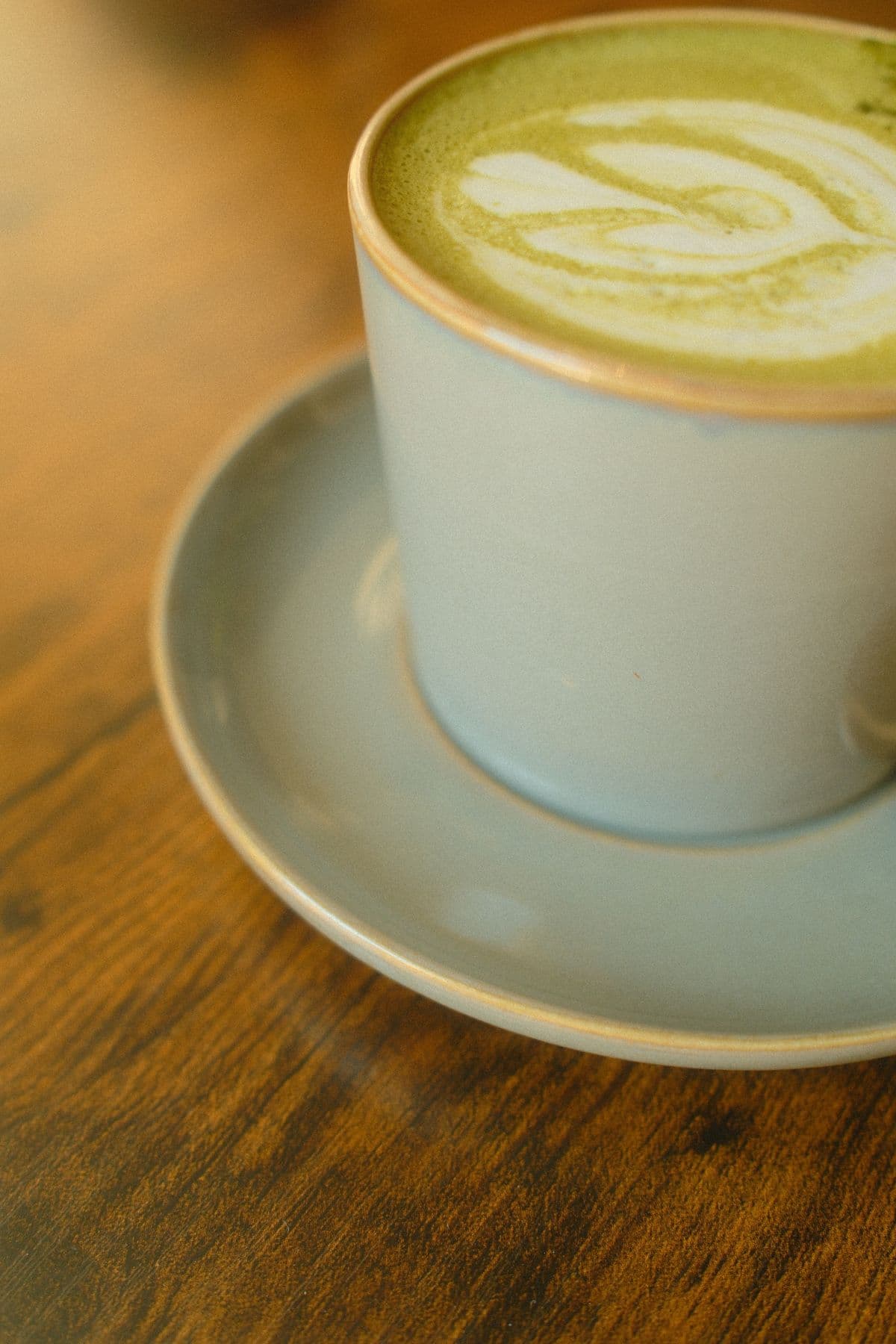
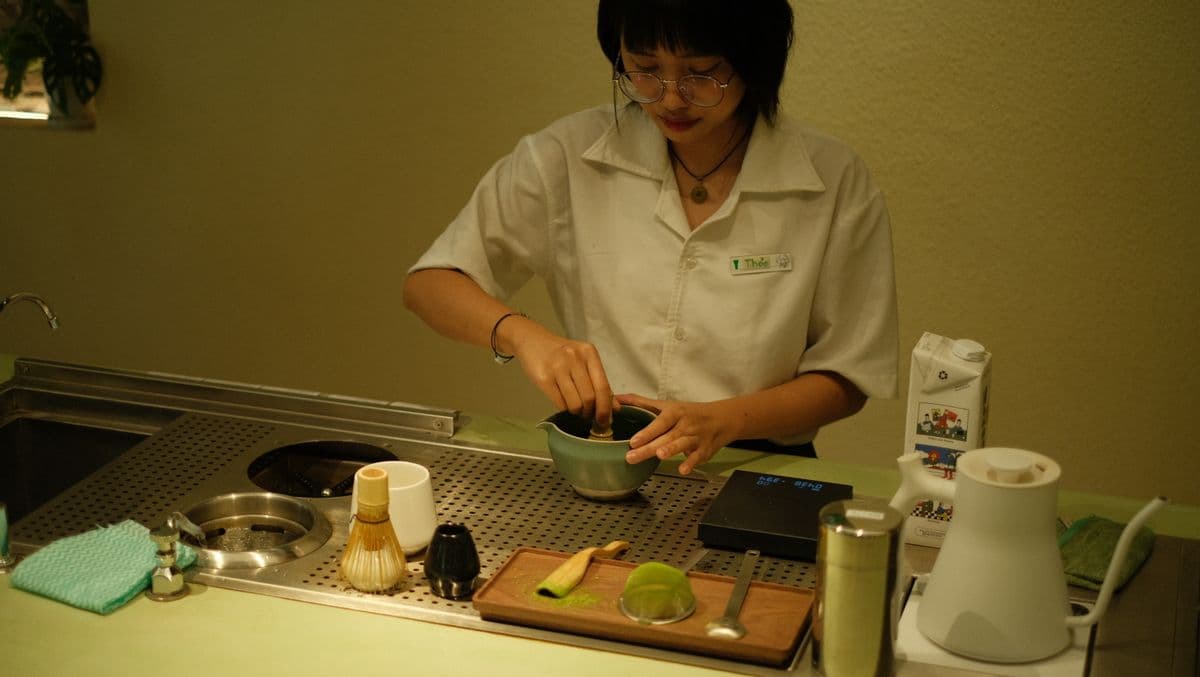
The signature order is a matcha latte hand-whisked to order with a chasen and made with Hokkaido milk, which reviewers consistently single out as unusually rich and creamy compared to standard dairy. It is typically topped with house-made matcha ice cream churned on an Italian gelato machine, with add-ons like shiratama mochi. Lattes run roughly ¥800 to ¥1,580 (about $5-$10) depending on size and toppings, and the Asakusa shop regularly draws queues of around 20 minutes at peak times, according to visitor accounts.
What matcha powders does Hatoya sell?
Beyond drinks, Hatoya sells packaged matcha under its own label, and the lineup is built around named single-origin batches rather than one generic "ceremonial grade" tin. Etsu uses the Ujihikari cultivar grown in Uji Gokasho, Uji City, and is described on Hatoya's own store as sweet and elegant with almost no bitterness. Joyo No. 3 is a seasonal Samidori-cultivar matcha grown in mineral-rich riverbed soil along the Kizu River in Joyo City, valued for a deep green color and clean umami. Midori blends the Samidori and Kanayamidori cultivars from Ujitawara and Minamiyamashiro into a smoother, more accessible cup, and Hatoya has also sold limited Fermented and Okumidori batches.
How much does Hatoya matcha cost?
As of September 2026, Hatoya's own store prices 20-gram tins of Midori around ¥3,000, while the premium Etsu line lists closer to ¥10,000 for 20 grams — roughly triple the price per gram. Joyo No. 3, sold as a seasonal batch, has listed around ¥5,700 for 20 grams. That spread puts Hatoya's top-tier powders in the same per-gram territory as long-established Uji houses' premium ceremonial grades, well above the everyday matcha used in the cafe's blended lattes.
Is Hatoya's matcha actually good?
Reviews diverge depending on what's being tasted. A visitor writing for BecomingTia called the matcha "rich, balanced, and intentional," with the earthy, slightly astringent profile she associates with good matcha. A Lemon8 reviewer trying the standard blended latte, by contrast, described "a strong grassy taste" and "a lower grade matcha" with more bitterness than expected, and suggested the Hokkaido milk was doing more of the work than the tea. The throughline across accounts is that the milk is the consistent strength; the base matcha grade in a basic latte reads as ordinary next to Hatoya's single-origin retail powders.
Where can you buy Hatoya matcha outside Japan?
Hatoya ships its packaged matcha internationally through its own online store, so a trip to Kyoto or Tokyo is not required to try Etsu, Joyo No. 3, or Midori. Popular batches sell out quickly and go into waitlist-style restocks rather than staying continuously in stock. A small number of specialty tea retailers outside Japan have carried individual Hatoya batches as well, but availability there is inconsistent from month to month, so checking Hatoya's own store first is the more dependable option.
Sources
- BecomingTia — Best matcha in Japan: why Hatoya became my favourite matcha chain
- Hatoya official store (8108global.com)
- Hatoya — Premium Matcha, Etsu
- Hatoya — Seasonal, Joyo No. 3
- Hatoya — Midori
- YUCa's Japanese Cooking — Tokyo Guide: Hatoya Asakusa
- Lemon8 — @deeniseglitz on Hatoya's viral matcha latte in Asakusa
FAQ
What is Hatoya matcha and where does it come from?
Hatoya is a Japanese tea stand started by Nobuhiro Maruyama, a former coffee barista who trained at a Japanese tea company after discovering gyokuro. He opened the first shop, Hatoya Ryoyosha, in Arashiyama, Kyoto in 2019, sourcing hand-picked matcha from growers across Kyoto Prefecture. The brand later expanded to Asakusa, Tokyo in January 2023 and to Kamakura, selling both drinks and packaged single-origin matcha powder under its own label.
Is Hatoya's Asakusa matcha latte worth the wait?
Opinions genuinely split. The Asakusa shop draws roughly 20-minute queues for a chasen-whisked latte topped with house-made matcha ice cream, and its Hokkaido milk gets consistent praise for being unusually creamy. But the base matcha itself gets mixed marks — one reviewer called the standard blend "ordinary" and noticeably bitter, closer to a lower everyday grade, while other visitors rank Hatoya among Tokyo's best matcha experiences. Ordering a premium powder option over the house blend tends to close that gap.
What's the difference between Hatoya's Etsu, Joyo No. 3, and Midori matcha?
They're separate single-origin lines, not marketing tiers of one leaf. Etsu uses the Ujihikari cultivar grown in Uji Gokasho and runs sweet, elegant, and nearly bitterness-free at the top of Hatoya's price range. Joyo No. 3 is a seasonal Samidori-cultivar matcha grown in nutrient-rich riverbed soil along the Kizu River in Joyo City, prized for deep green color and clean umami. Midori blends Samidori and Kanayamidori from Ujitawara and Minamiyamashiro into a smoother, more everyday-priced cup.
Can you buy Hatoya matcha outside Japan?
Yes. Hatoya sells its powders internationally through its own online store rather than only in-shop, though popular lines such as Etsu and Midori sell out regularly and go on waitlists between restocks. A handful of third-party specialty tea retailers have also carried individual Hatoya batches, but stock there is inconsistent, so the official store is the more reliable route if you want a specific line like Joyo No. 3.
Never miss a Hatoya restock
Join the free Discord community and get an instant alert the moment your grade is back — or sign up to browse live stock across every major Japanese tea house.
Hatoya — full brand guide, grade breakdown & current stock status →
Sources
- https://becomingtia.com/hatoya/
- https://8108global.com/
- https://8108global.com/products/premium-matcha-etsu-1
- https://8108global.com/products/joyo-handpicked-no-3
- https://8108global.com/products/midori
- https://yjc.tokyo/tokyo-guide-hatoya-asakusa/
- https://www.lemon8-app.com/@deeniseglitz/7559643312886481415?region=sg