
Is There Lead in Matcha? What Testing Actually Shows
What independent heavy-metal testing has and has not found in matcha, why powder differs from brewed green tea, and how to choose a lower-risk brand.
Last updated: September 6, 2026
In this guide
Restocks sell out in minutes — get the alert in Discord.
Join the Community on Discord (Whop page for the Discord community, opens in a new tab)Searches for "lead in matcha" spiked after a widely shared round of independent testing. The honest picture is more nuanced than either "matcha is poison" or "it is nothing," so here is what the testing actually shows and what it does not.
Why would matcha contain lead at all?
Tea is a leaf crop, and the tea plant takes up trace metals, including lead, from soil and from atmospheric deposition. Peer-reviewed assessments of tea across major growing regions consistently detect low levels of several heavy metals in leaf. A February 2026 elemental analysis of matcha in the journal Beverages makes the key distinction: with brewed tea, transfer of metals into the liquid runs "roughly 10% and 70% depending on the element," and longer steeping pulls out more lead, cadmium and arsenic, but with matcha "the whole ground leaf is consumed, so intake is not limited by extraction." Your exposure tracks the leaf content itself.
What did the independent testing actually find?
In 2026, Lead Safe Mama, LLC coordinated crowdfunded third-party laboratory testing of nine matcha powders, including Encha, Jade Leaf, Pique, Matchaful, Matcha.com, DO Matcha, a Costco sencha matcha and two supplement-style shakes. The report states that every one exceeded at least one metal threshold when measured against the Baby Food Safety Act reference levels of 5 parts per billion lead, 5 ppb cadmium, 2 ppb mercury and 10 ppb arsenic, and concludes "we have not yet found a safer choice for a matcha product." Those thresholds are strict benchmarks written for baby food, not adult limits, and the tested set was almost entirely Western direct-to-consumer brands.
Where can you watch videos about this?
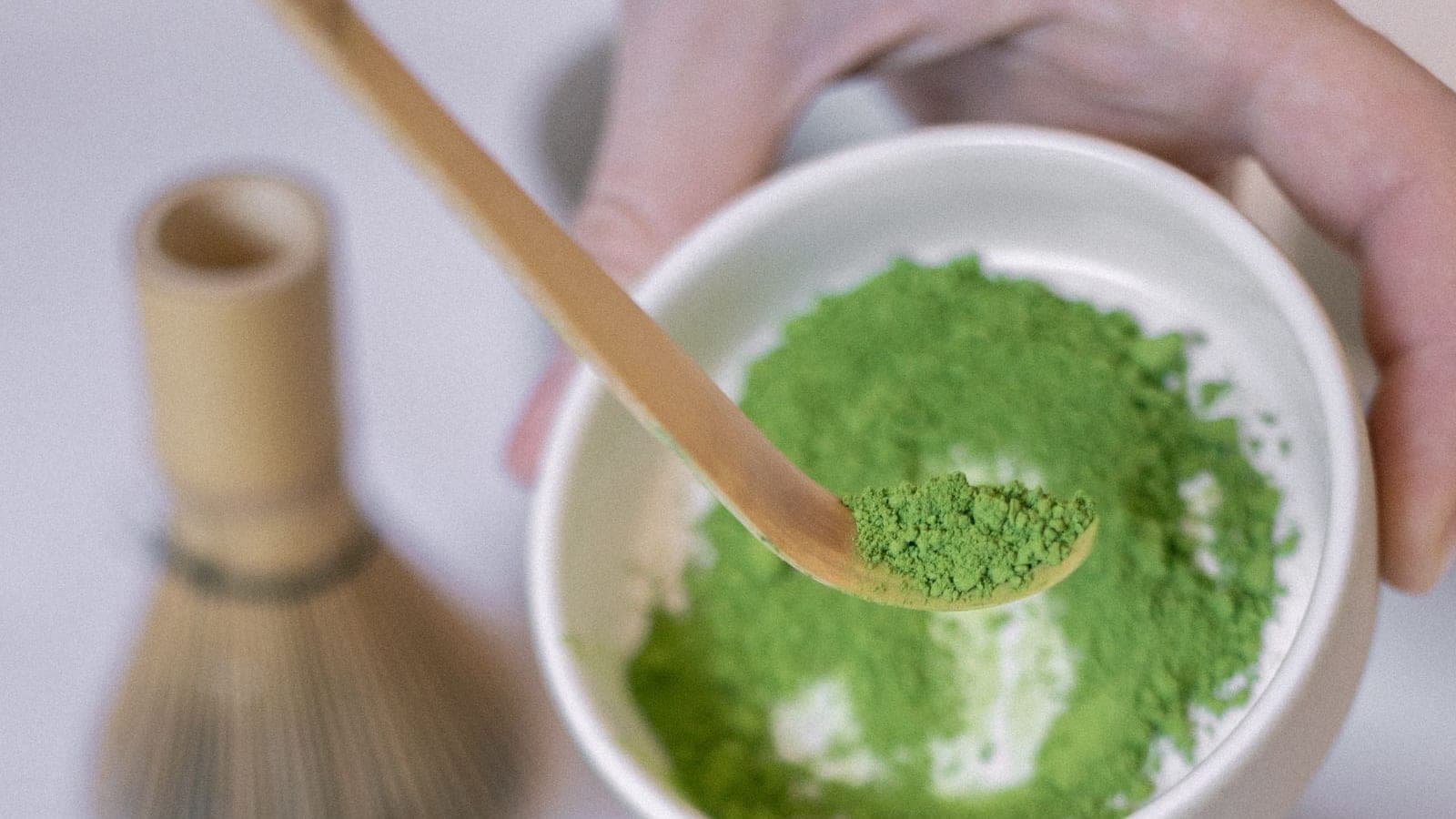
These videos come from tea makers, tea educators and independent reviewers. They show the preparation, the colour of the powder and the tasting in real time, which is easier to judge on screen than in text. They are one person's view each, so treat them as a complement to the sourced facts above and check any health or price claim against the sources listed on this page.
What did the testing not cover?
The nine-product batch did not include the traditional Uji tea houses such as Ippodo or Marukyu Koyamaen, large Japanese brands such as Ito En, or curated brands such as Rocky's Matcha. Readers have nominated some of these for future rounds, but as of that report they were untested. So the finding is real for the specific products named and should not be read as a measured result for brands that were not in the sample. It also did not compare first-harvest ceremonial matcha against culinary grades, which can differ.
How concerned should a normal daily drinker be?
Context helps. ConsumerLab reports that recent tests of popular brewable green teas "did not find lead contamination to be a significant issue," and that contamination is most common in teas made from older leaves, as in black and oolong tea. Matcha's whole-leaf format raises exposure relative to those, but a daily bowl or two is a modest quantity, and the review literature on matcha's own compounds is otherwise positive. The groups with the most reason to choose a tested low-result product are pregnant people and young children.
How do you pick a lower-risk matcha?
Look for brands that publish a recent third-party heavy-metal report or a batch certificate of analysis, rather than a vague "lab tested" claim. Prefer first-harvest matcha from established regions, keep intake to a normal daily cup or two, and if you fall into a sensitive group, buy specifically from a product with published low numbers. Panic buying an untested "ceremonial" tin because the label sounds premium does not address the question.
Sources
- Lead Safe Mama — 2026 independent matcha heavy-metal testing chart
- Beverages (MDPI), Feb 2026 — Elemental composition of Japanese matcha powder and infusions
- ConsumerLab — Matcha green tea: reviews, warnings, updates
- PMC / NIH — Heavy metals contamination in tea: status and risk assessment
FAQ
Does matcha contain lead?
It can, at low levels. Tea plants absorb trace metals including lead from soil and from air pollution, and because matcha is the whole leaf ground to powder, you ingest whatever is in the leaf rather than leaving most of it behind in spent leaves as you would when steeping. How much varies by farm, region and year, which is why third-party testing on a specific product matters more than the category label.
What did the independent matcha testing find?
Lead Safe Mama coordinated crowdfunded laboratory testing of nine matcha powders in 2026 and reported that every one exceeded at least one metal threshold when measured against the Baby Food Safety Act reference levels of 5 ppb lead, 5 ppb cadmium, 2 ppb mercury and 10 ppb arsenic. Those are deliberately strict baby-food benchmarks, not adult food limits, and the tested products were largely Western retail brands.
Is brewed green tea safer than matcha for heavy metals?
Generally the exposure is lower, because steeping leaves most of the metal content in the leaf you throw away. ConsumerLab reports that recent tests of popular brewable green teas did not find lead to be a significant issue, and that contamination is more common in teas made from older leaves such as black and oolong. Matcha is the exception among green teas because it is consumed whole.
How do I choose a lower-risk matcha?
Favor brands that publish recent third-party heavy-metal test results or a certificate of analysis for the batch, prefer first-harvest matcha from established growing regions, and treat matcha as a daily cup or two rather than a large-volume supplement. If you are pregnant or buying for a young child, the conservative choice is a product with published low results.
Never miss a matcha restock
Join the Discord community and get an instant alert the moment your grade is back — or sign up to browse live stock across every major Japanese tea house.